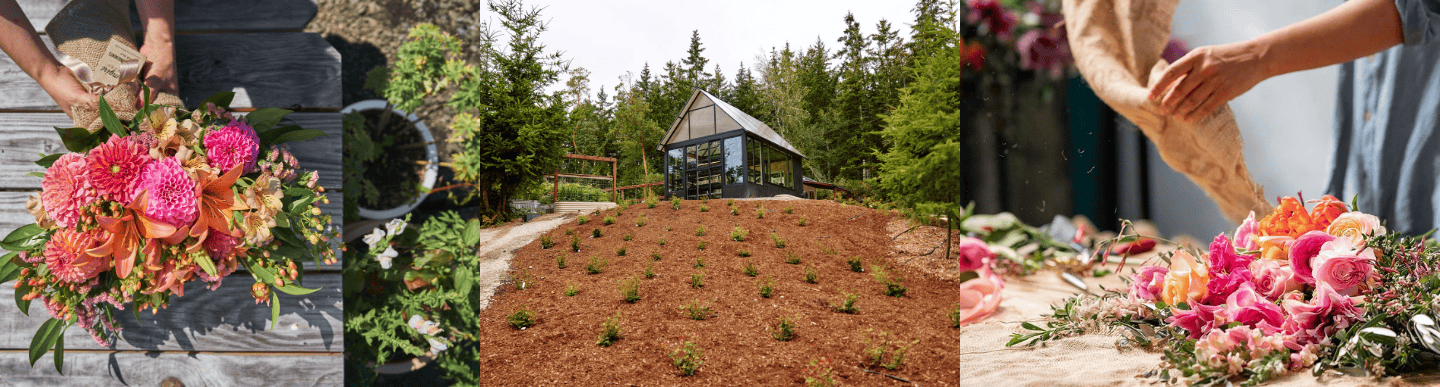


What’s in Bloom? Farmgirl’s Season-by-Season Flower Guide
Aug 04, 2026
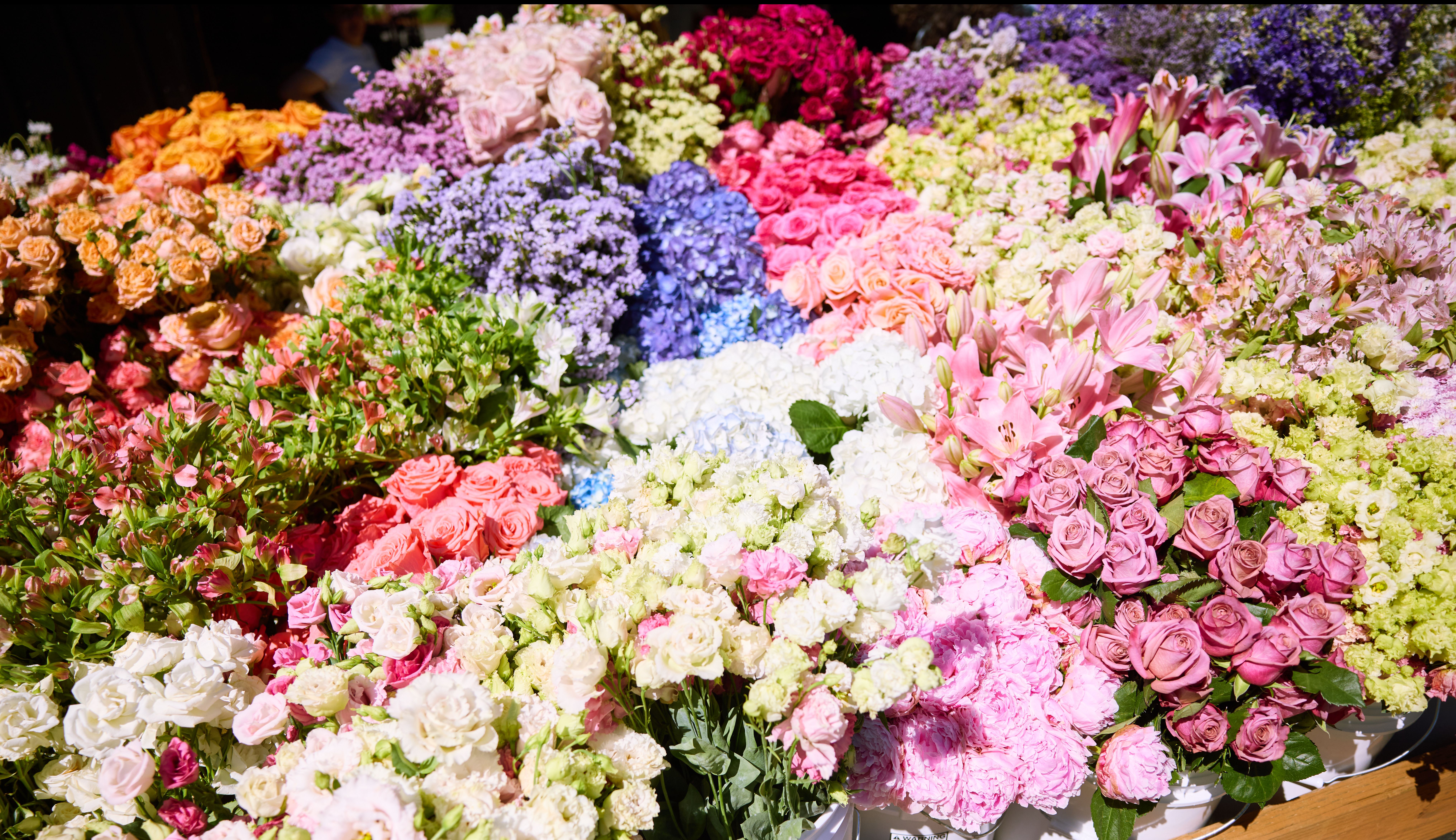
“What flowers are in season right now?” is one of those questions that sounds like it should have a super simple, 5 second answer. But it really doesn't, and not just because I can't seem to answer any question in less than a thousand words...
But the honest answer is: it depends.
I know, super anticlimactic, huh? But it really does. It depends on so many things, like where you live, where the flowers are grown - are you asking what's in season near you, in the US, or globally? Those are all very different answers. It also depends what Mother Nature decided to do that year, whether they were grown outdoors, under cover, or in a hoop or greenhouse. Flowers, it turns out, do not care about our neatly organized editorial calendars.
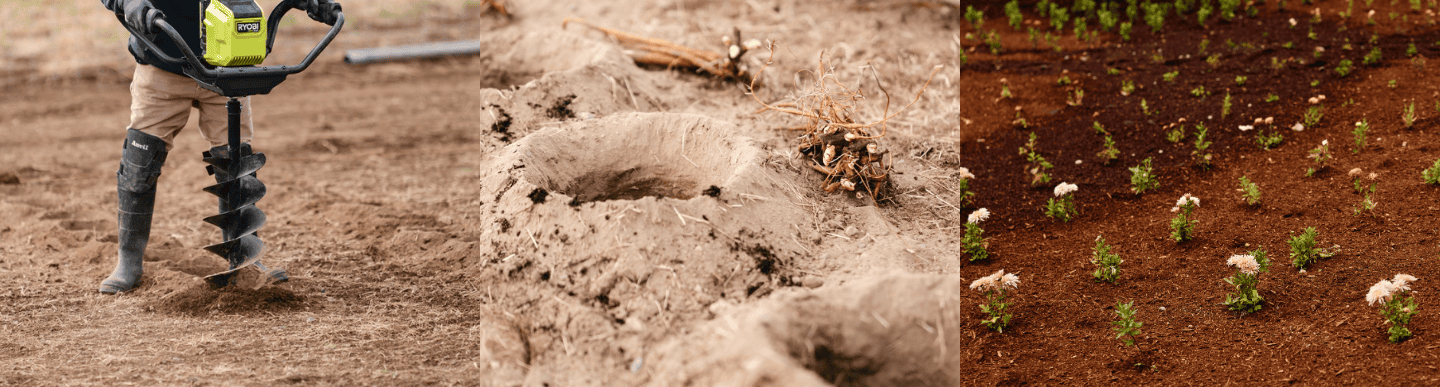
I’ve learned that firsthand at our Farm Quarters in Washington and at our small peony farm in Oregon. One stretch of warm weather can move everything forward, while a cold snap can make you feel like you’re watching a pot of water that refuses to boil. Mother Nature always gets the final vote. And boy does she exercise that vote regularly.
There’s also a difference between a flower being naturally in season (locally or beyond) and being available. Thanks to greenhouse growing and flower farms across different climates and parts of the world, many flowers can now be found outside their traditional local season. But most flowers still have a time of year when they are at their happiest, most abundant, and often their most beautiful. Because don't we all?
Here’s a practical guide to what flowers bloom in spring, summer, fall, and winter—and when some of the most-loved varieties, including tulips, peonies, ranunculus, and dahlias, are typically in season. But, again, we did say "typically" so please don't hold us to it. It might be a year where there was 20% more rainfall, or 90 degree temps a month earlier than expected, or excessive wind, or, or, or...
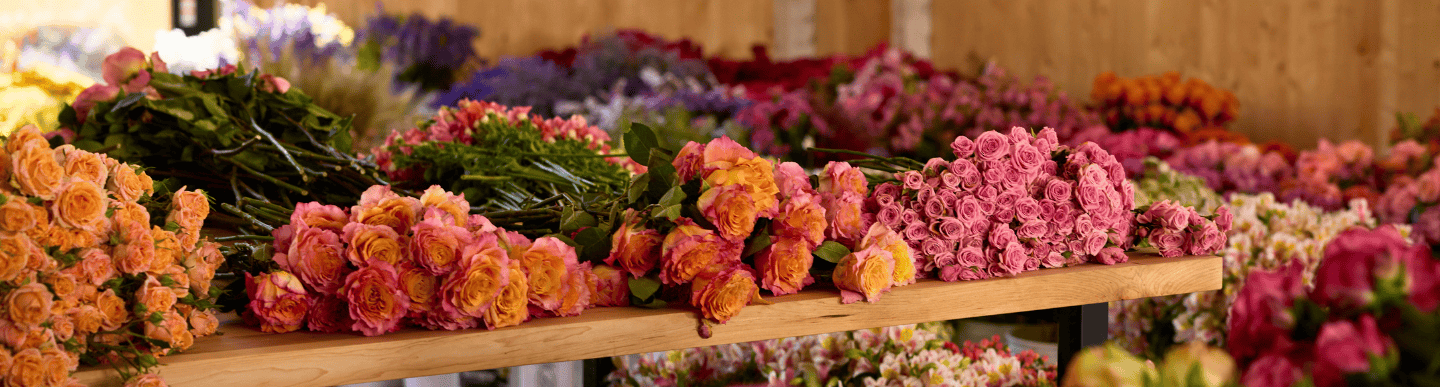
A Quick Seasonal Flower Guide
Seasons and the flowers typically in season:
- Spring — Tulips, ranunculus, anemones, daffodils, hyacinths, lilacs, sweet peas, flowering branches, and peonies
- Summer — Garden roses, hydrangeas, delphinium, cosmos, zinnias, sunflowers, scabiosa, astilbe, snapdragons, and dahlias (later in the summer)
- Fall — Dahlias, chrysanthemums, asters, celosia, amaranthus, marigolds, ornamental grasses, berries, and rose hips
- Winter — Amaryllis, hellebores, paperwhites, anemones, ranunculus, evergreens, berries, branches, and besides that - a lot of greenhouse-grown flowers
These are general seasons for the United States. Actual timing can shift by several weeks—or even months—depending on the growing region and seasonal temperatures.
Spring Flowers
Spring is the season that feels the most unmistakably seasonal to me. After what feels like eternity, but in fact is just several months of not having many truly seasonal flowers and branches, evergreens, and darker winter colors, spring flowers arrive looking almost impossibly fresh and kind of revive your soul when you need it most!
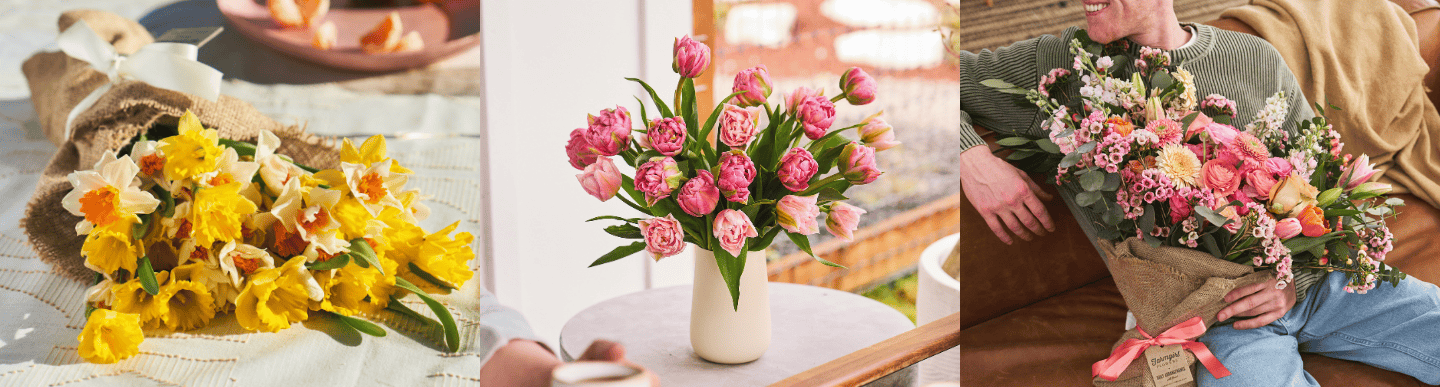
This is when you’ll typically find:
- Tulips
- Ranunculus
- Anemones
- Daffodils and narcissus
- Hyacinths
- Lilacs
- Sweet peas
- Flowering cherry, quince, and other blossoming branches
- Peonies in late spring (late April to early May depending on the weather)
You can shop our current spring flower collection, along with seasonal favorites like ranunculus and peonies.
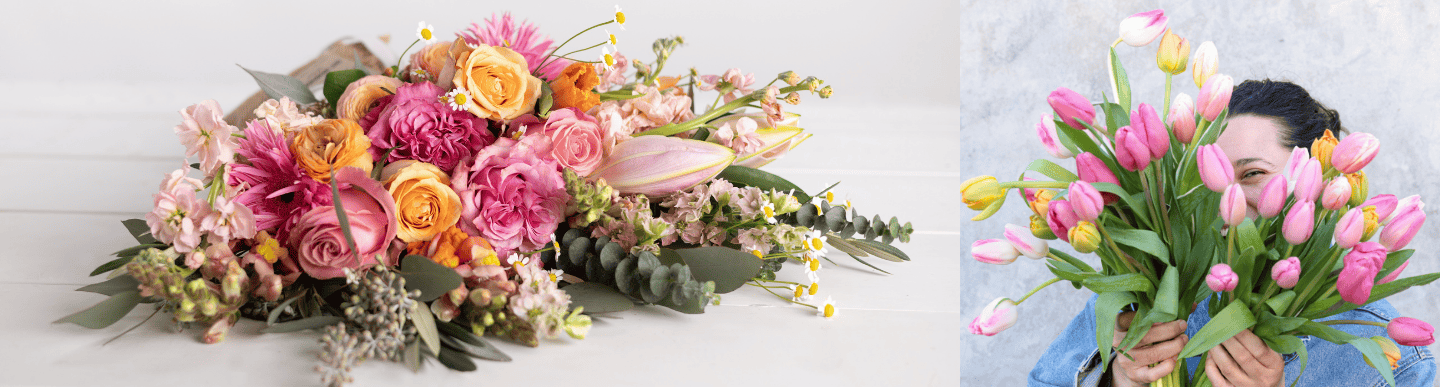
When Do Tulips Bloom?
In the US, tulips typically bloom from March through May, although warmer climates may see them as early as February. Early, midseason, and late-blooming varieties can extend the tulip season for several months. Outside of the seasonal growing months, there are a few small growers who grow them year round in greenhouses here in the US and many on the other side of the pond in several European countries.
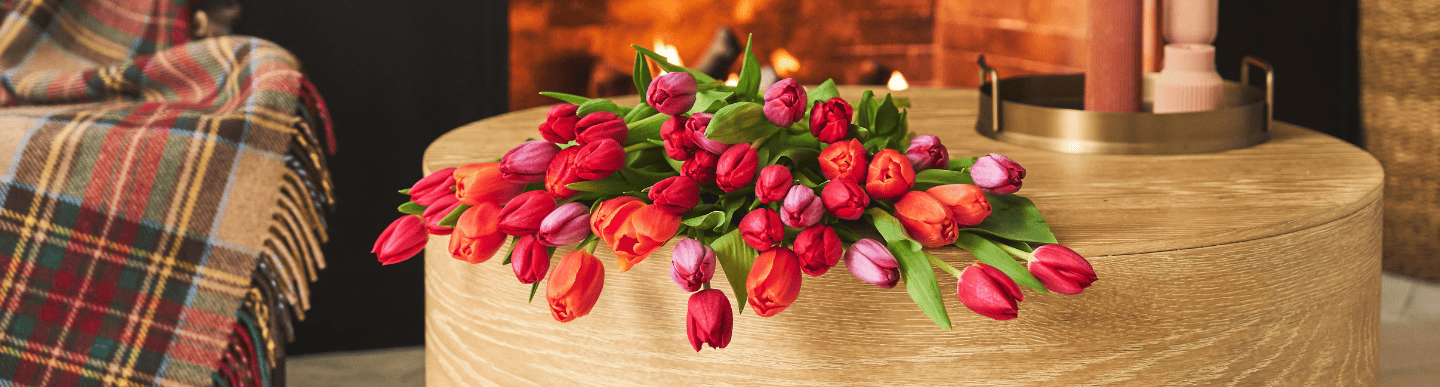
Tulips are also one of the flowers that continue to grow after they are cut. They stretch toward the light, bend around one another, and rarely stay arranged exactly where you initially put them.
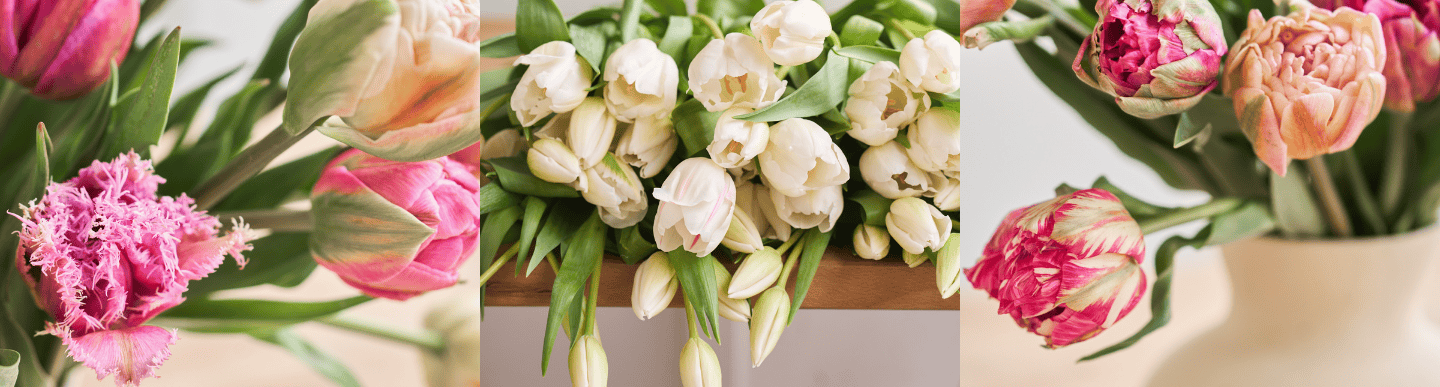
For the longest vase life, keep tulips in cool, clean water and recut the stems every few days. Because they continue to lengthen, you may also want to trim them again as they grow.
I know some people find that frustrating, but I love it. I don’t need every flower standing perfectly at attention. Tulips have a mind of their own, and that movement is part of what makes them feel so alive.
When Is Ranunculus in Season?
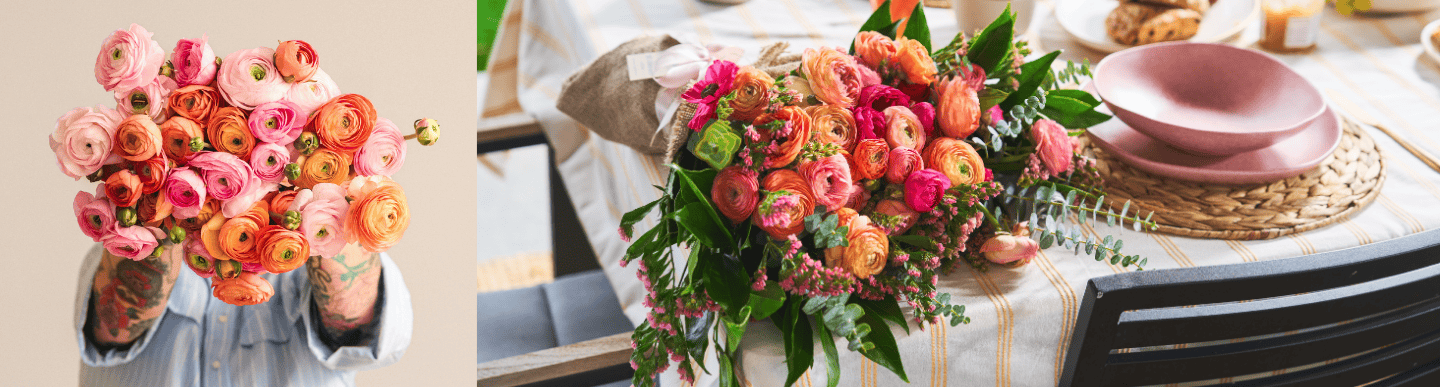
The beloved little sister to the ever popular Peony is actually in season much earlier. than you may think! In the US, Ranunculus are generally in season from late winter through spring, often beginning in February or March and continuing through May. In cooler growing regions, they can sometimes be available into early summer if we're lucky! And there are some amazing South American and European farms that can grow them year round due to elevation and having more ideal temps for them.
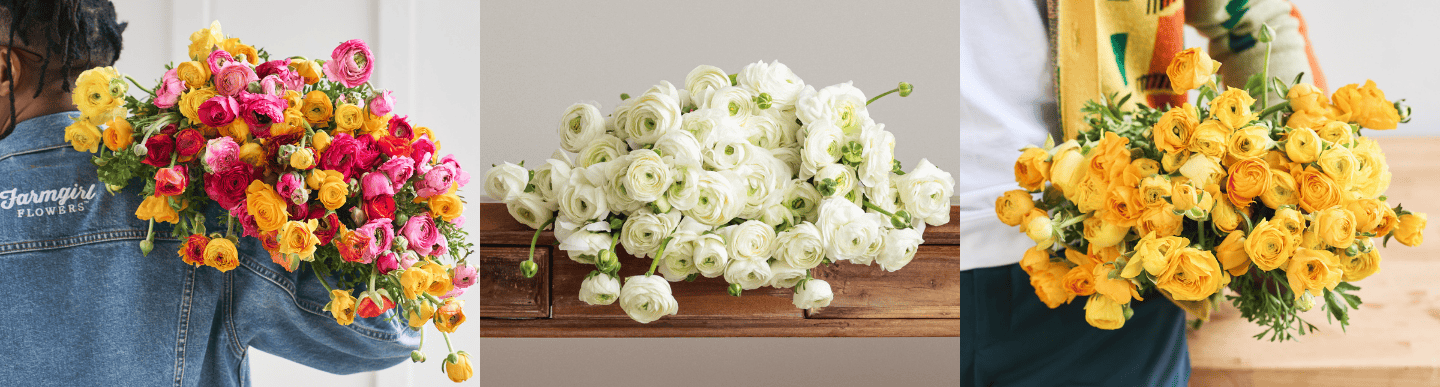
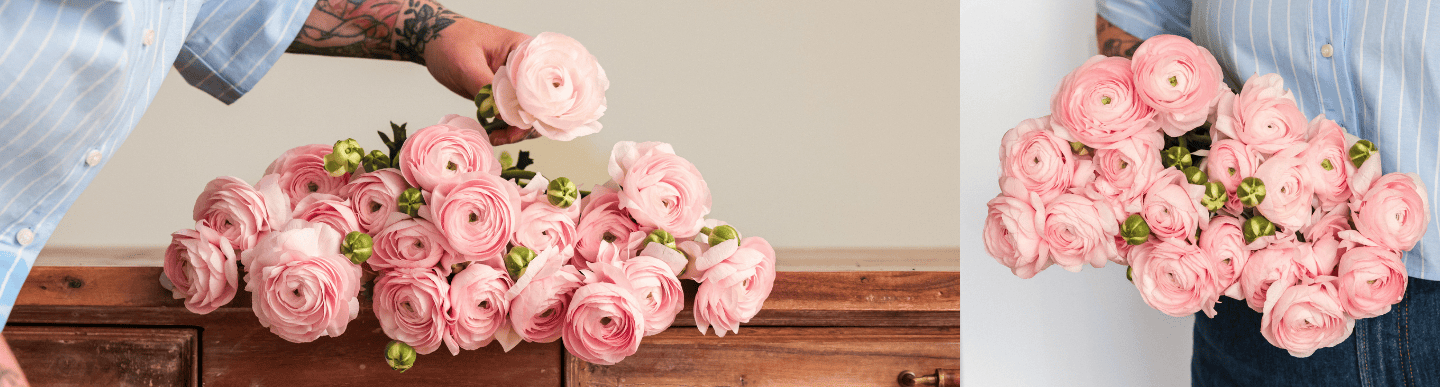
What most of us Ranunculus lovers are drawn to are their seemingly endless layers of delicate petals, which makes you think they'd be super delicate, but they're sturdier than they look. And they open from a tiny, unassuming bud into a flower that we've heard from many of you that you may think is a peony or garden rose! And the colors - they range from super bright to the most beautiful muted blushes and peaches you ever did see!
They’re one of those flowers that make an arrangement look special without needing very much help—which is probably why we all love them so much!
When Are Peonies in Season?
I feel like we need a drumroll with this one because the Peony is the flower that everyone waits very impatiently for and wishes they were season-less. Us included, so no shame! And, while the flower world has definitely taken notice and are trying their hardest to be able to grow them year round, we're not quite there yet.
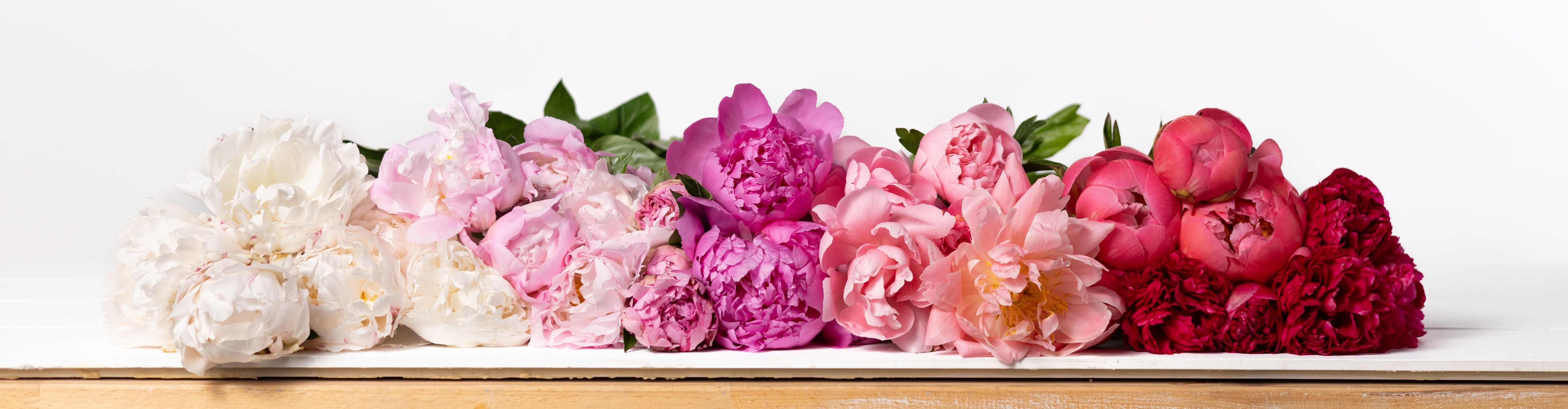
For good quality peonies, they're in season about half of the year, but from many different growing locations around the globe. Because the Peony season is famously so short, it becomes a race to get them as quickly as possible for the few weeks they're in season from that locale. In most parts of the United States, peonies bloom from late April through mid June, with May and early June usually being the peak.
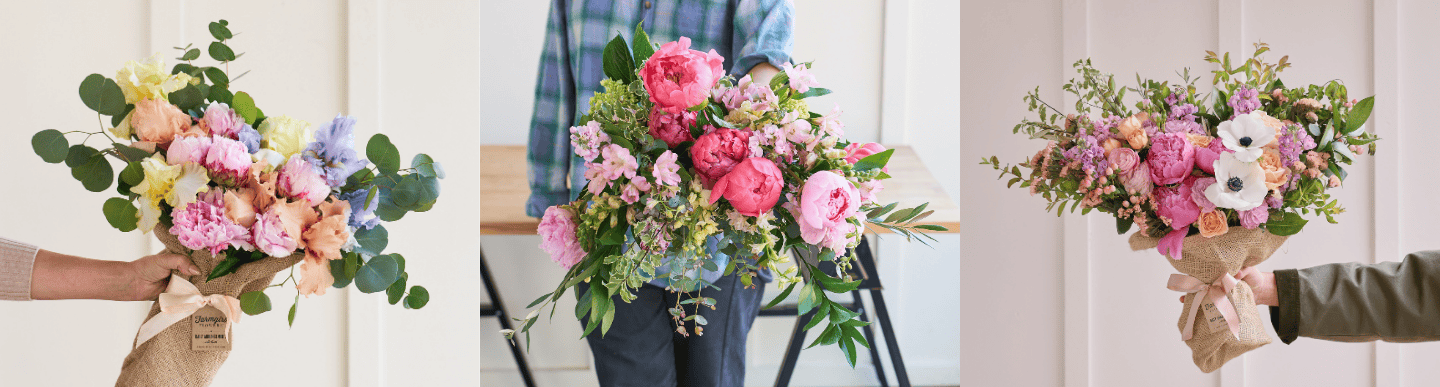
At our Oregon farm, we’re growing around 36,000 peony plants, with approximately another 1,200 at the Farm Quarters in Washington. Even with that many plants, the season still feels like it passes in about five minutes.
Some amazing farms up North in Alaska have extended the US growing season by a few weeks to a month or so which is something we're super grateful for. Transportation of the coveted blooms is pretty pricey but when you see the fluffy blooms unfurl in your vase, it seems worth it to many of us.
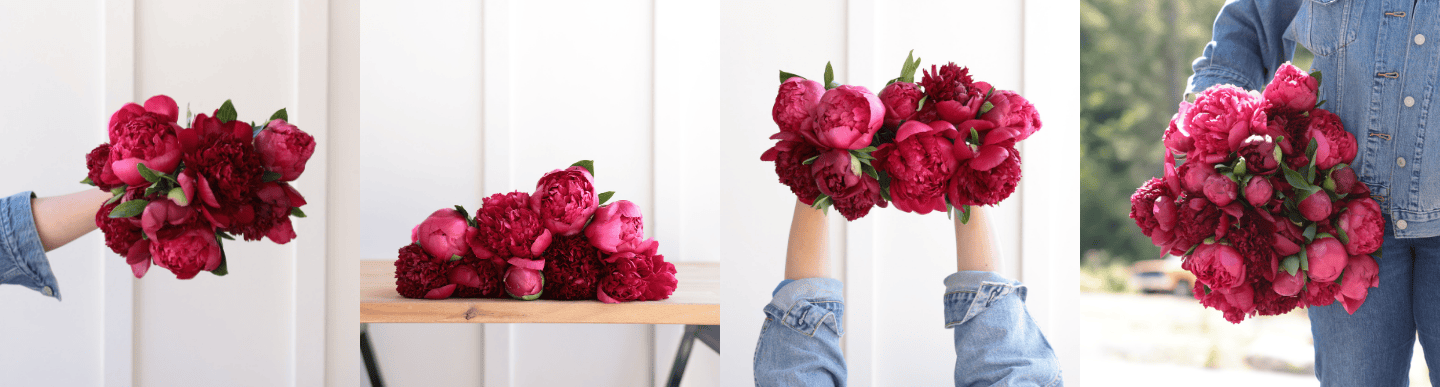
My favorite variety is either the super elegant Red Charm or the elusive but perfectly pink Etched Salmon. Red Charms have giant, deep red blooms that arrive early in the peony season and look almost unreal when they open. And when they expire, they drop a huge pile of petal confetti as I like to call it.
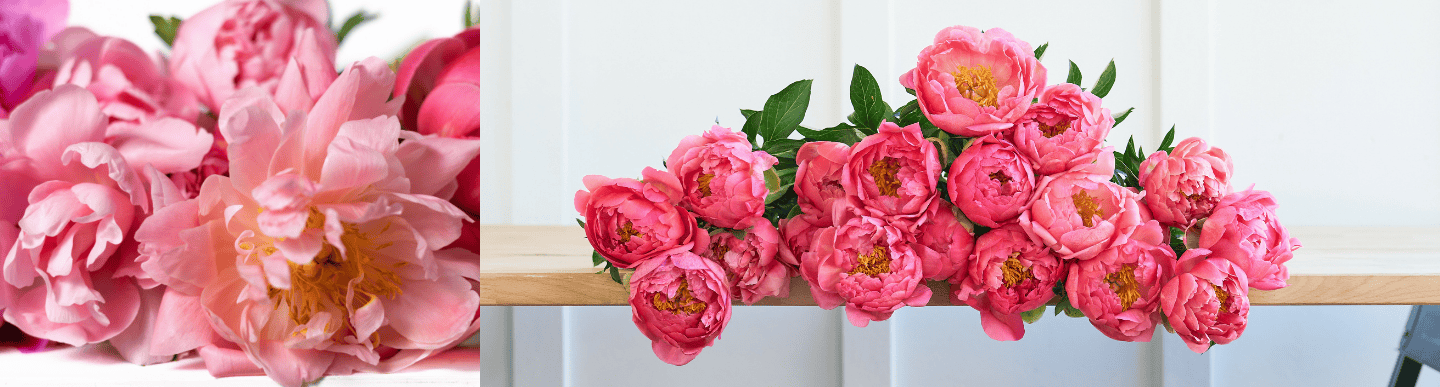
The Etched Salmons have less petals but unfurl in perfectly and have the most perfect color of pink I've seen from a Peony! They just make you happy when you're in the same room with them, and isn't that a skill we wish we all had for others?
If you're growing Peonies, they will teach you patience, as they can take several years to become established—but once they do, the plant can live to be over a hundred years ago, so it's worth the wait!
The patience of waiting for it along with the fleeting season is part of what makes them so special. You wait all year, they put on an incredible show, and then they’re gone until the next time. And who can be mad at that?
Summer Flowers
Summer is when the flower world really starts showing off! Ironically, and sadly, they're also when you're planning summer vacations, and usually at your busiest so sometimes you don't get to fully enjoy what the summer months bring in flowers. Maybe that's where the phrase about slowing down to smell the roses came from? If so, it makes sense because it's one of my absolute favorite times to slow down and really enjoy the amazing garden roses that make their grand entrance during the summer. At our farm quarters, we recently planted about 400 shrubs and climbing garden roses and I cannot wait for the coming summers to see them in all their glory!
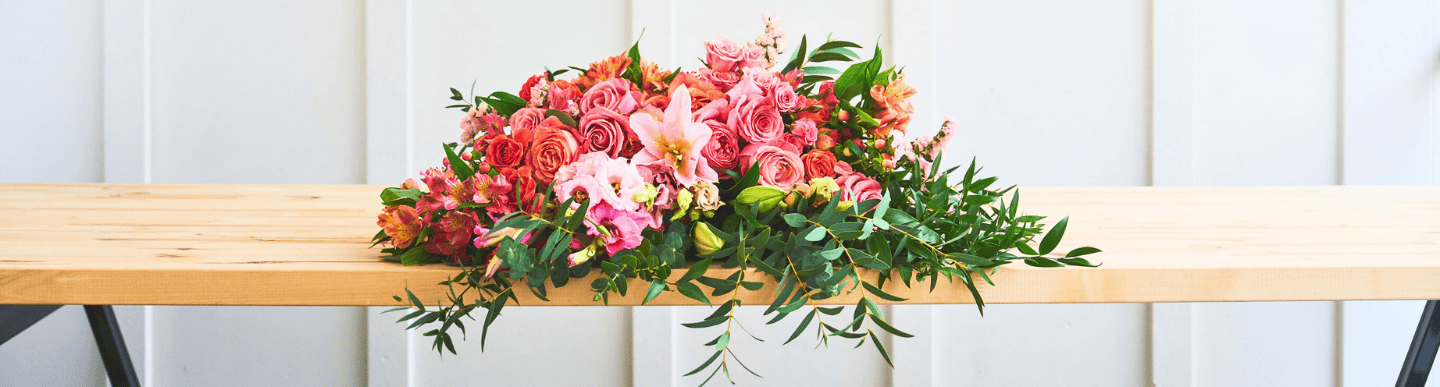
During the summer months, gardens get fuller, stems get taller, and there is suddenly more color and texture than you know what to do with. It’s the season of overflowing arrangements that look like they were gathered armful by armful. That's kind of the design aesthetic we were going for when I created the Farmgirl signature look - I wanted it to look like we just picked it from the garden for you!
Popular summer flowers include:
- Garden roses (My personal fave!)
- Hydrangeas - all different varieties including the amazing oak leaf and pinnacle varieties that have an effortless coolness that we didn't know hydrangeas brought to the table
- Delphinium
- Snapdragons
- Cosmos
- Zinnias
- Sunflowers
- Scabiosa
- Yarrow
- Queen Anne’s lace
- Lisianthus
- Dahlias beginning in mid-to-late summer and going to Fall!
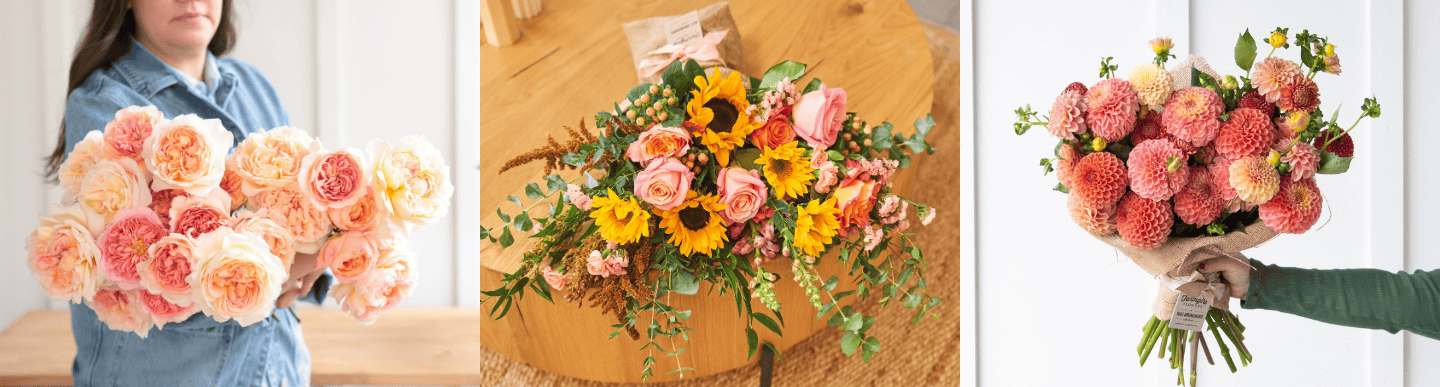
Our summer flower collection changes as different crops reach their natural peak. The Garden Roses and Dahlias are a few of our (and our customers!) favorites!
Are Roses Summer Flowers?
The answer to this one is yes and no. Roses are available during much of the year through commercial and greenhouse production, but garden roses traditionally have their largest natural flush from late spring through summer. Many varieties will bloom repeatedly until fall - which in our opinion should make them take the lead over peonies for their longer season, but alas, I think we may be alone in that thinking.
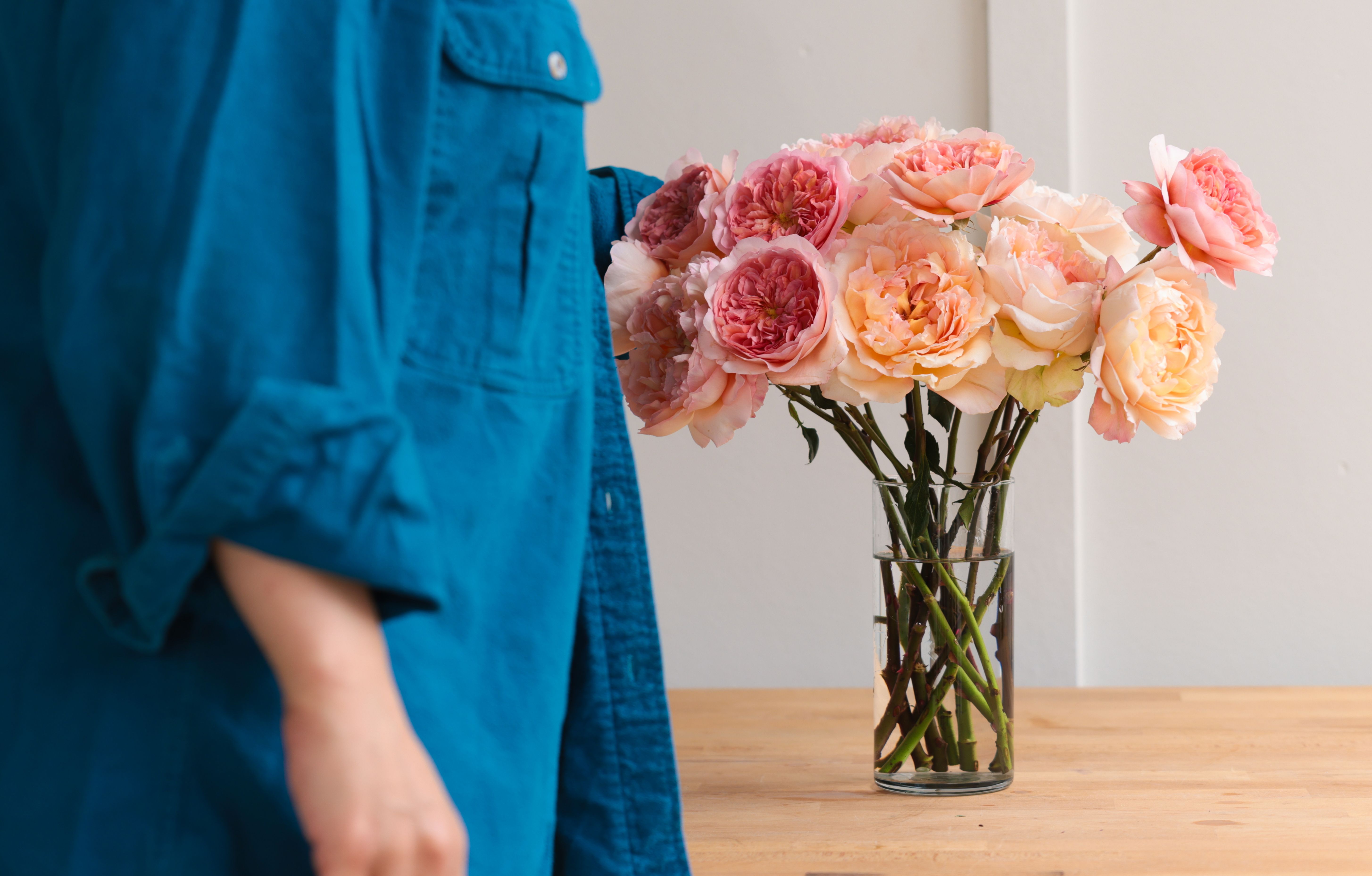
We went for it this past spring and planted hundreds of David Austin roses at the Farm Quarters, including close to 100 climbing roses along fences, barns, greenhouses, sheds, and other structures. I may have gotten slightly carried away, although I maintain that climbing roses are a perfectly reasonable thing to plan an entire building around.
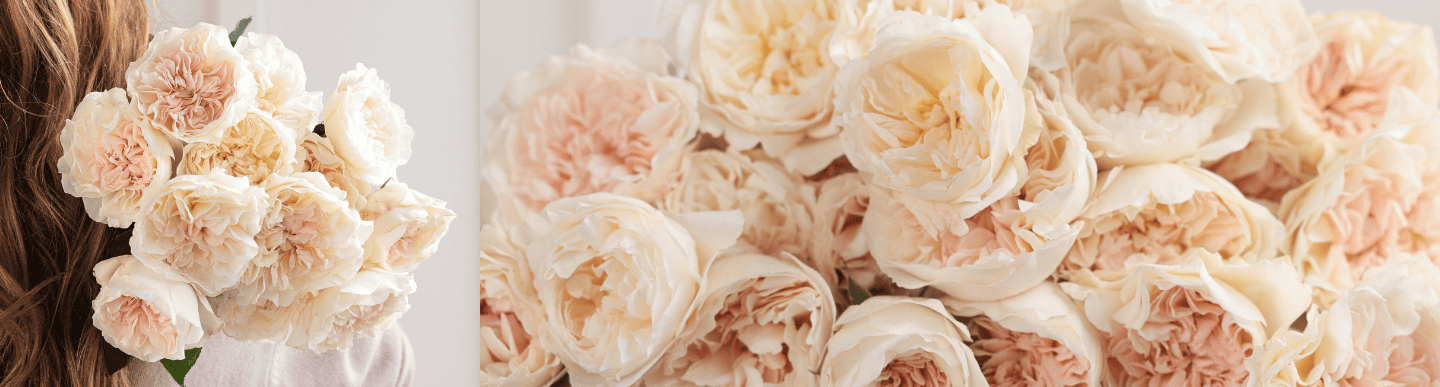
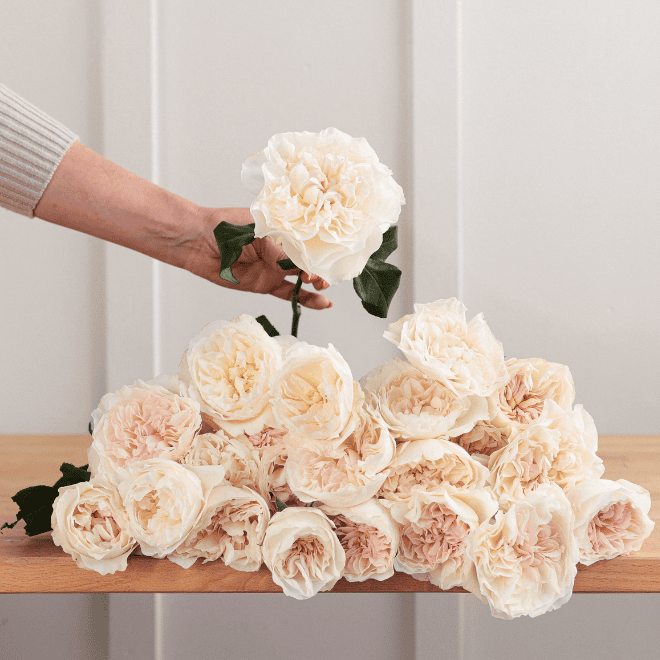
Unlike the stiff, perfectly uniform roses many of us grew up seeing, garden roses open slowly and often change shape and color as they age. They can be a little unruly, which naturally means we love them!
When Are Hydrangeas in Season?
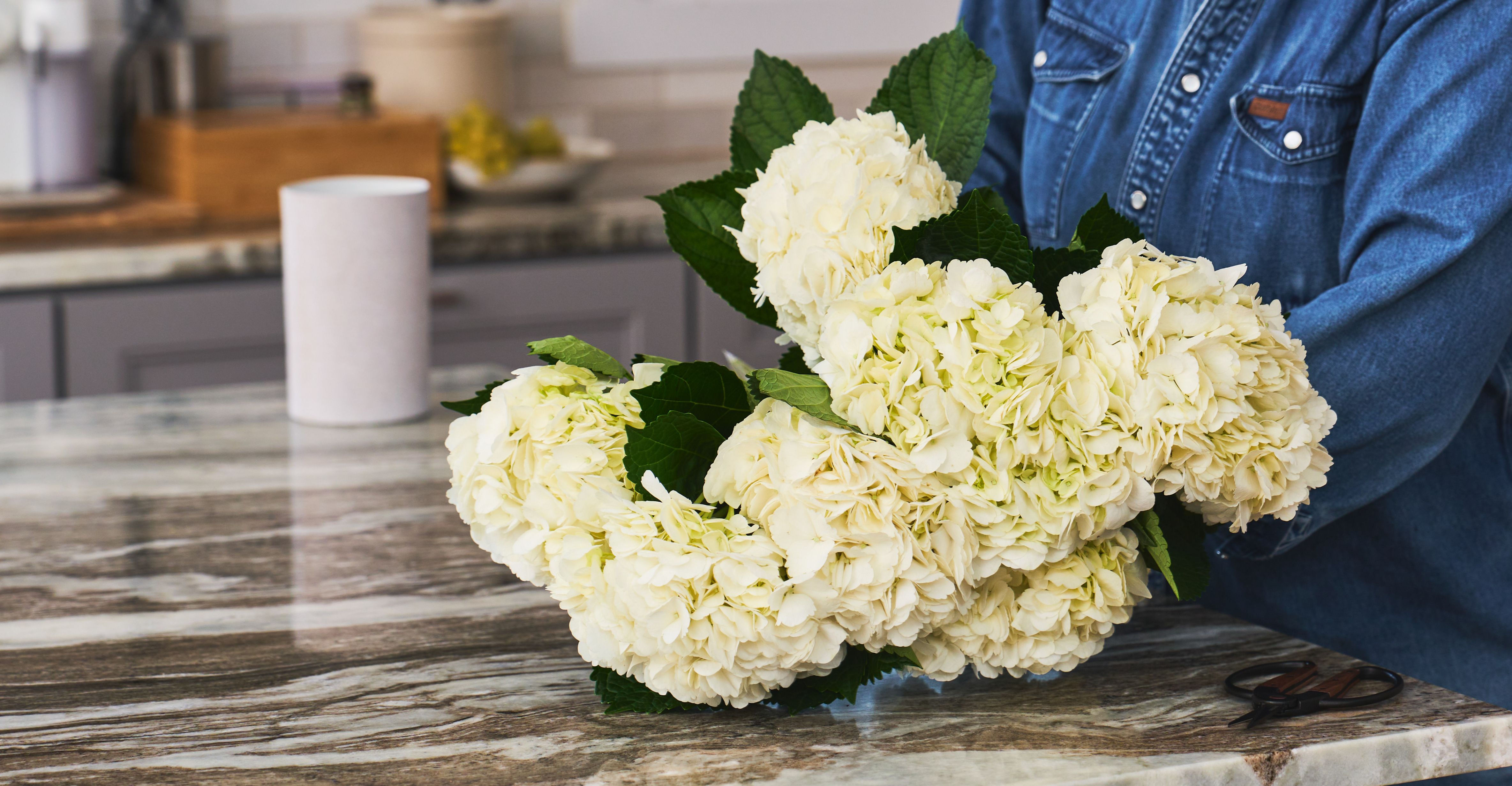
Hydrangeas have been one of my biggest surprises since starting a flower business. Way back in the day (or more precisely, 15 years ago when I started Farmgirl), I did not love hydrangeas. I think it was because I only knew one variety - the standard blue ones you see in a lot of home decor magazines. They typically bloom from late spring through early fall, with their peak occurring during the summer.Their timing depends heavily on the variety. Mophead and lacecap hydrangeas often begin in early summer, while many panicle hydrangeas reach their stride later in the season and continue into fall.
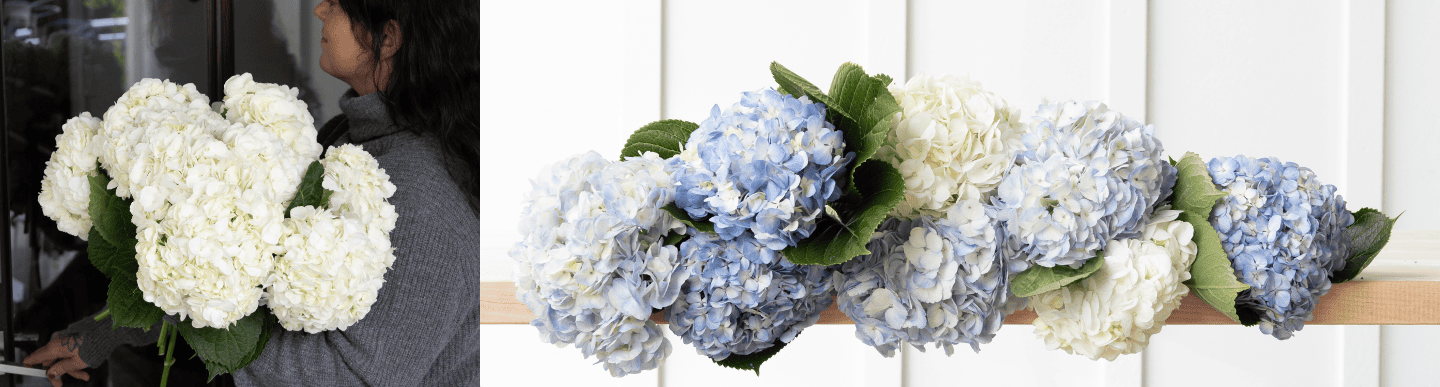
Hydrangeas are beautiful, but they can also be dramatic. They drink a tremendous amount of water and can wilt quickly after being cut. One trick we use for drooping hydrangeas is to recut the stems and briefly place the cut ends in very hot water before moving them back into fresh, cool water. It doesn’t revive every stem—especially very mature ones—but it can work surprisingly well.
When Do Dahlias Bloom?
Dahlias typically begin blooming in mid-to-late summer and continue until the first hard frost. In many parts of the United States, their main season runs from July through October, with August and September being especially abundant.
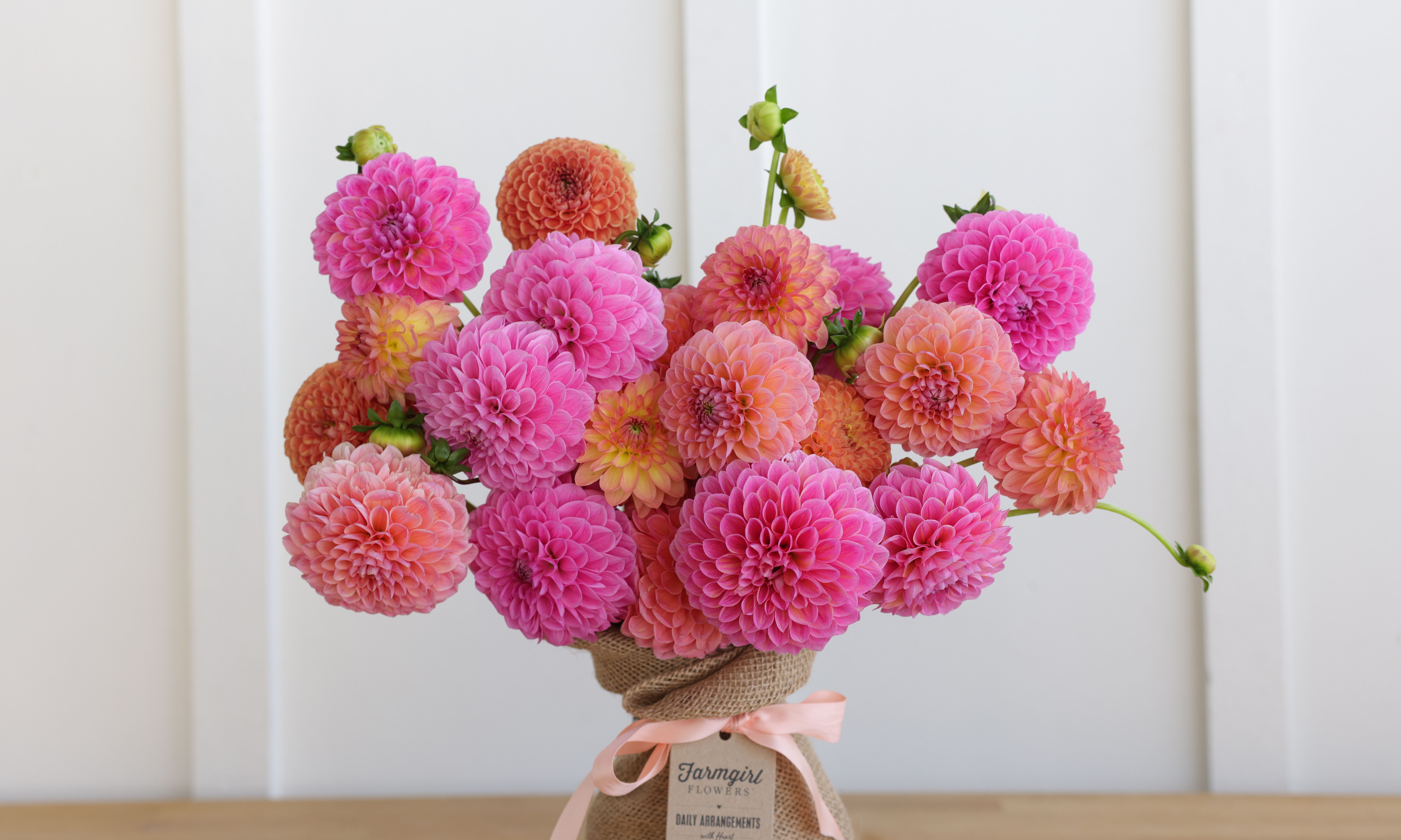
Dahlias are my favorite flowers to grow. They start out slowly enough that you begin wondering whether they’re ever going to do anything, and then suddenly they’re taller than you are and producing flowers faster than you can cut them.
We grow many varieties at the Farm Quarters, and I love that they don’t need to be overly managed to be beautiful. Commercial growers often disbud dahlias—removing side buds to produce one larger bloom—but in my own garden, I usually let them do their thing. I like the slightly wild, abundant look more than I like perfect uniformity.
Some varieties produce flowers that are genuinely bigger than my face, which is both ridiculous and exactly why dahlias are so much fun.
Explore our seasonal dahlia collection when the crop is blooming.
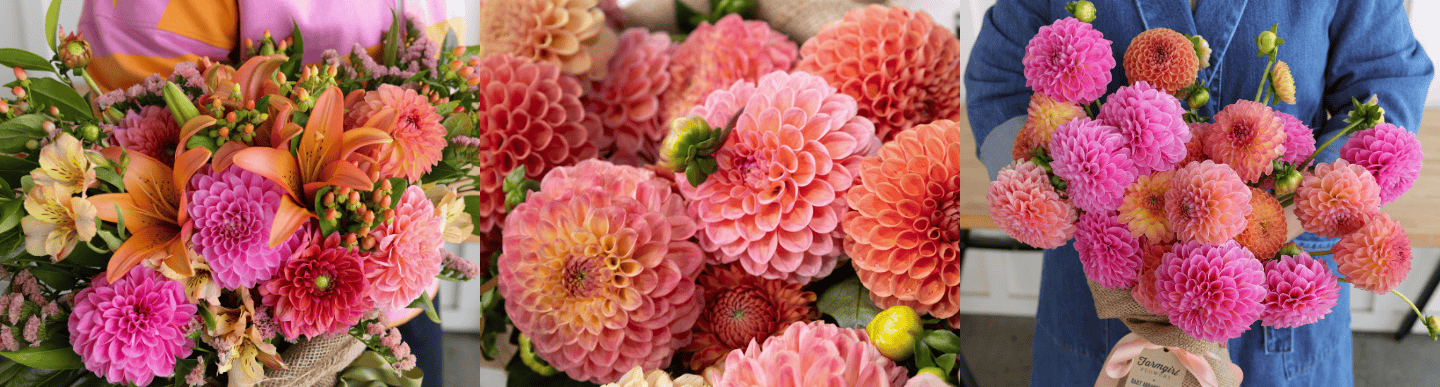
Fall Flowers
Fall flowers have a completely different personality than spring flowers.
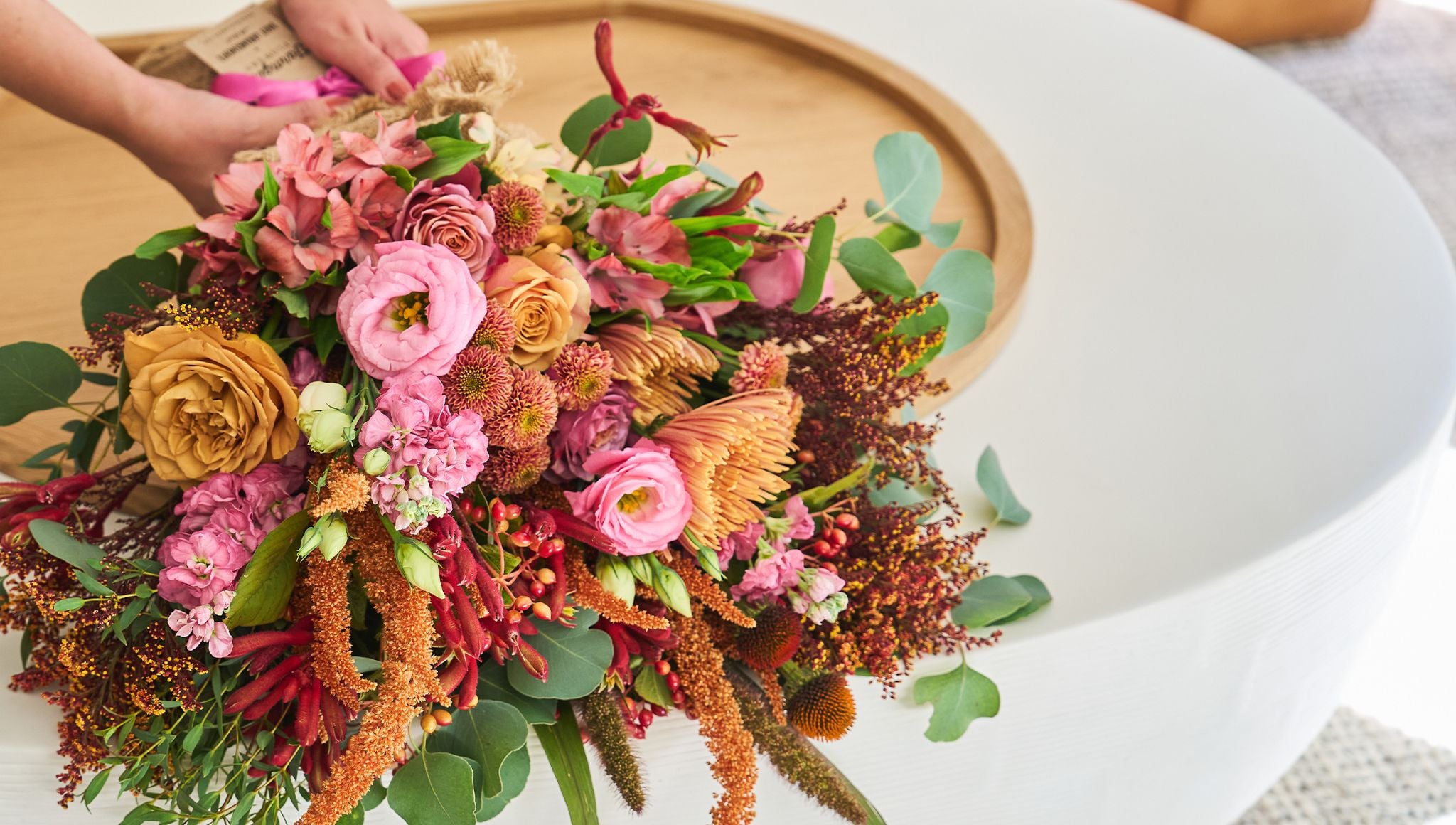
Spring is soft and hopeful. Fall is richer, moodier, and a little more interesting. This is when flowers begin mixing with seed pods, grasses, berries, branches, and foliage that has started changing color.
Flowers and ingredients commonly in season during fall include:
- Dahlias
- Chrysanthemums
- Asters
- Celosia
- Amaranthus
- Marigolds
- Autumn hydrangeas
- Ornamental grasses
- Rose hips
- Berries
- Seed pods
- Textured foliage and branches
You can find our current seasonal designs in the fall flower collection.
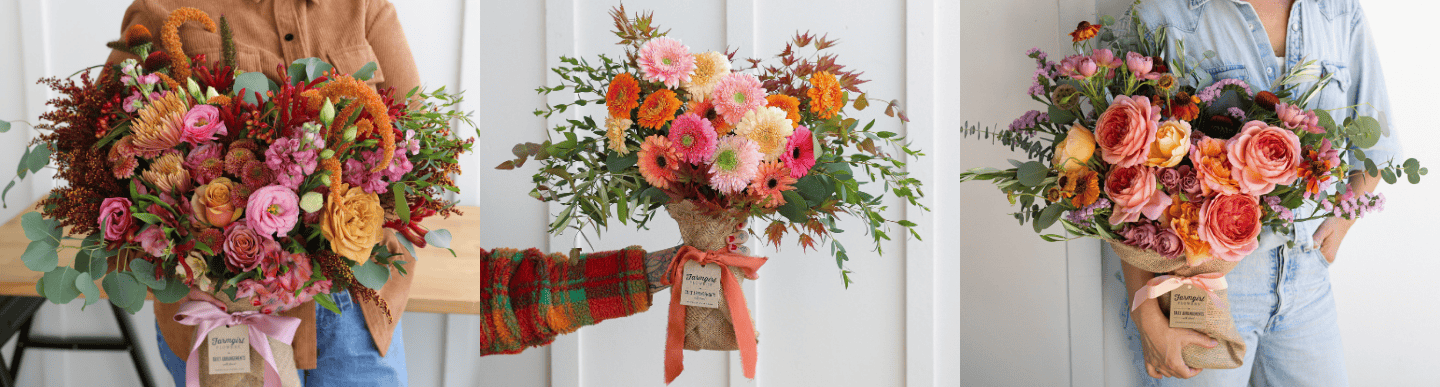
Are Dahlias Fall Flowers?
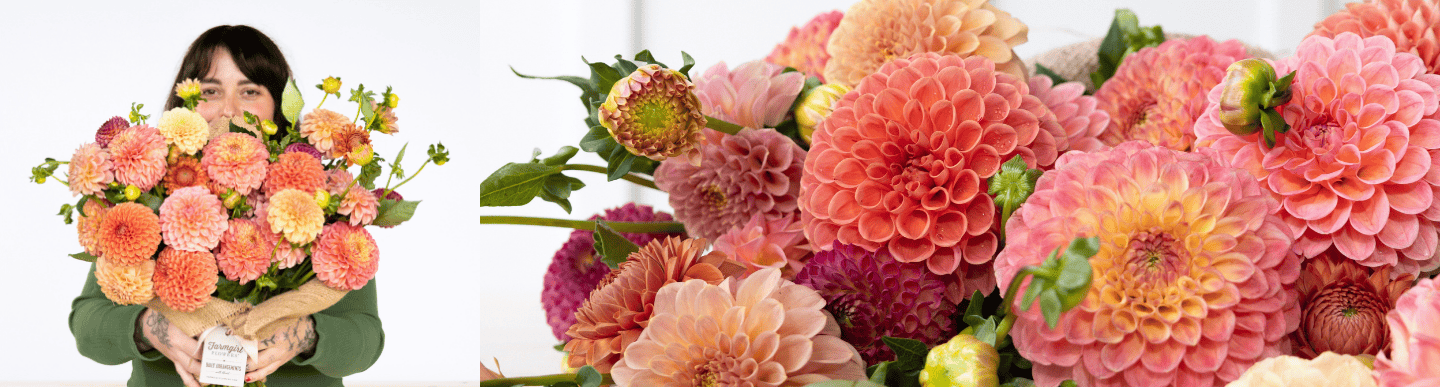
Dahlias are technically summer-blooming flowers, but they are also some of the best and most abundant flowers of early fall.
They continue producing until frost, and many plants actually seem to hit their stride once the intense heat of summer starts to ease. That makes September and early October some of the best times for locally grown dahlias in cooler parts of the country.
The first hard frost brings the season to a very abrupt end. One day the field is full of flowers, and the next morning the plants are finished. It’s not subtle.
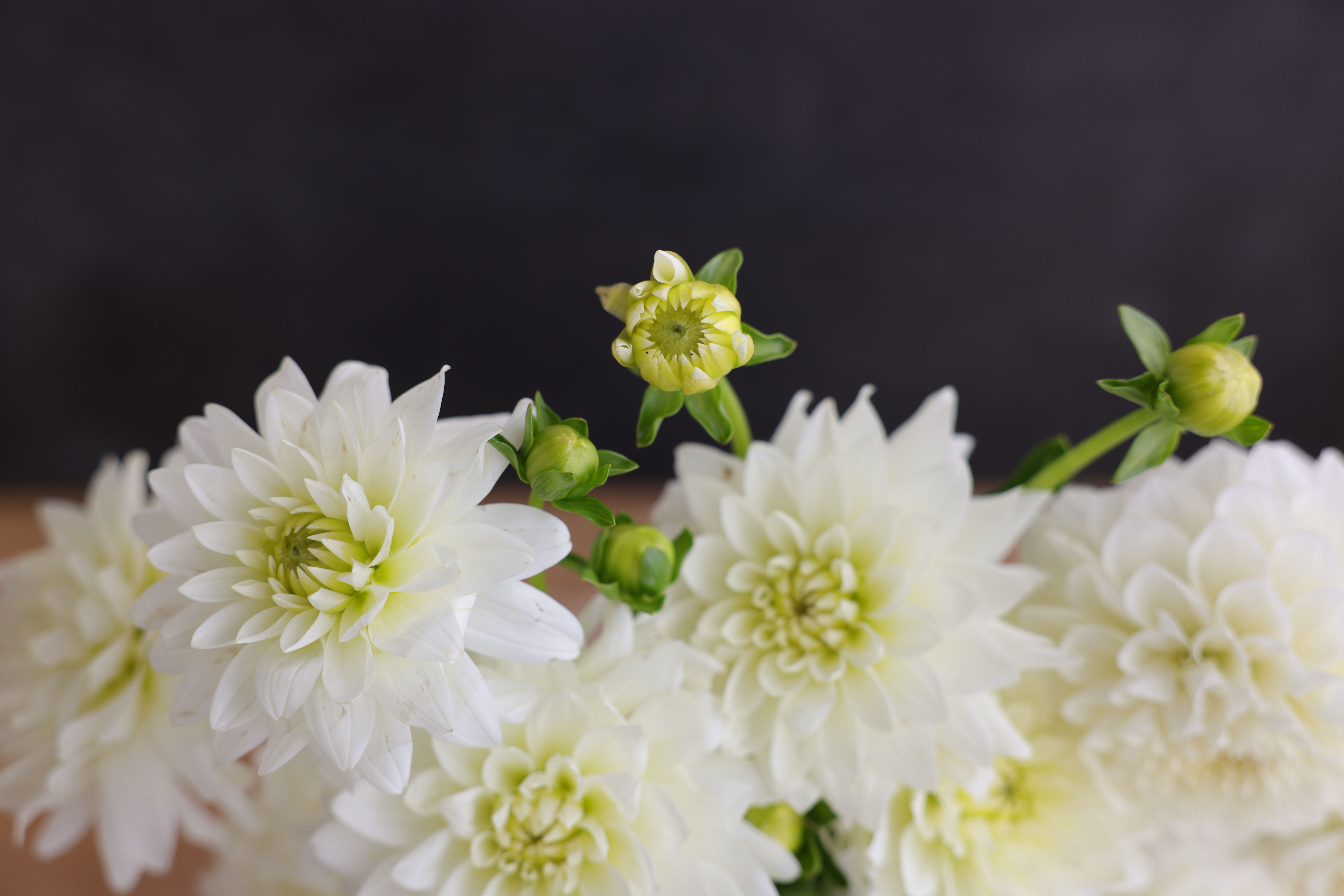
Are Chrysanthemums Only for Fall?
Until recently, I kind of thought that Chrysanthemums (also known lovingly in the floral world as “Mums”) were only a fall flower. There’s a few overachieving varieties that are grown in such abundance that happen to be very jewel toned in color (gold, burgundy, and bronze) that it just makes me automatically group Mums into a Fall category in my design brain. But now there are so many more specialty varieties grown in beautiful blushes, lavendars, and peaches that it completely turned that thought on its head. Now I think of Chrysanthemums as a great textural flower that adds so much to any bouquet - no matter the season, which is why we just planted 300 of our favorite varieties at our farm quarters! We can’t wait to use them in seasons to come!
Mums naturally bloom as the days become shorter, making them classic fall flowers. They are generally in season from late summer through November.
They’ve gotten a somewhat unfair reputation because people often picture the perfectly round potted mums sold outside grocery stores. But there are incredible specialty varieties—spidery, reflexed, feathery, and almost dahlia-like—that look nothing like the standard garden-center version. They grow tall enough for a focal bouquet and so many varieties steal the show just as much as any rose or ranunculus in our humble opinion!
But in addition to beautiful mums, Fall is also a good reminder that flowers don’t have to do all the work. Changing leaves, branches, ornamental grasses, berries, and seed pods can add just as much beauty to an arrangement as another bloom, in fact they’re often our favorite things to design with!
Winter Flowers
Winter is usually the season when people assume nothing is blooming. Locally, that may be close to true in colder climates—but winter flowers still exist. They’re just harder to find, which makes them even more special!
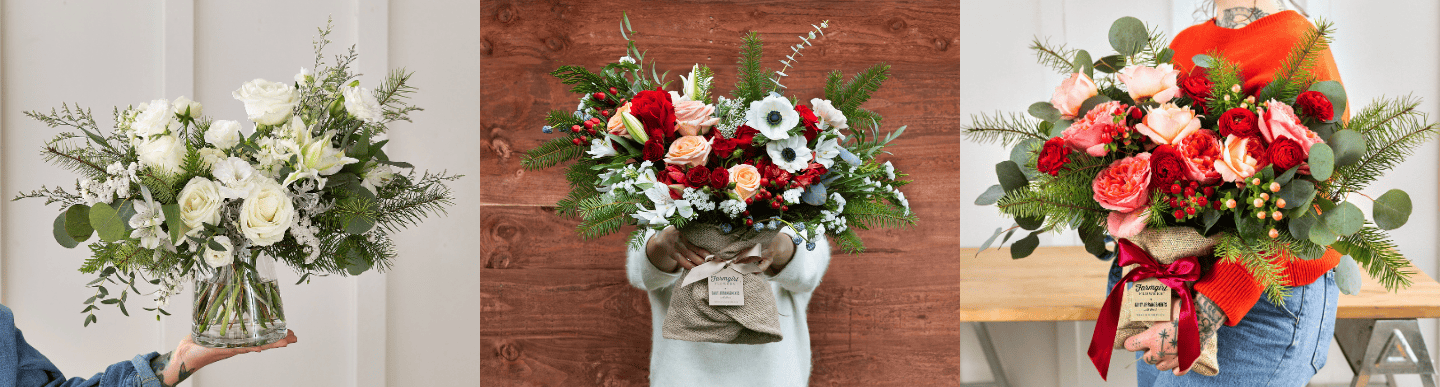
Some are grown in greenhouses. Some thrive in mild climates. Others, including evergreens, berries, and branches, aren’t technically flowers at all but bring just as much beauty and texture to a winter arrangement.
Common winter flowers and seasonal ingredients include:
- Amaryllis - which is probably the most stunning in the winter flower family!
- Hellebores
- Paperwhites
- Narcissus
- Anemones
- Early ranunculus
- Evergreen branches
- Holly and other berries
- Magnolia leaves
- Bare or budding branches
- Eucalyptus and other foliage
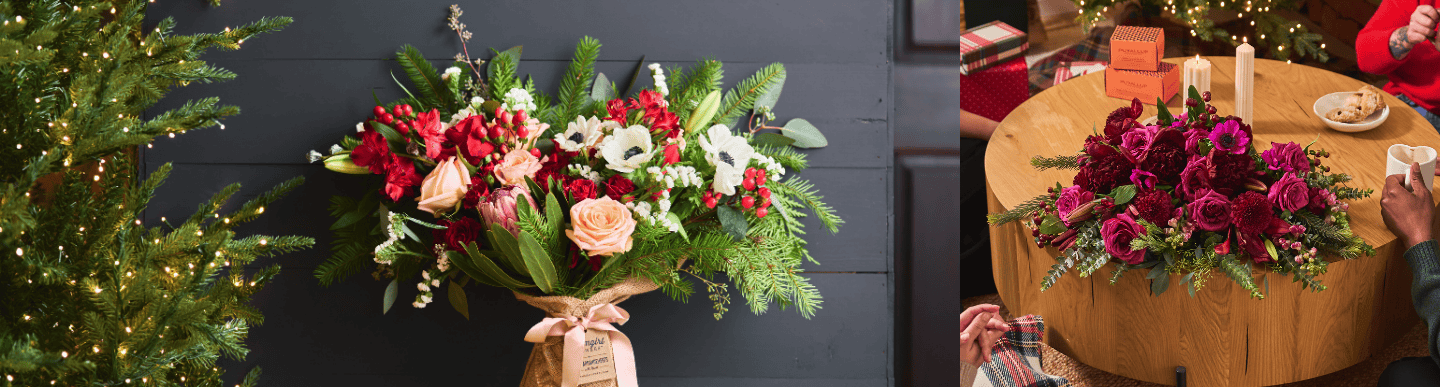
Winter is when I think arrangements can become especially creative. Without an endless list of summer blooms to rely on, you start noticing shape and texture more. A dramatic branch, a stem of berries, or an amaryllis opening over several days to something that literally blows your mind can be more impactful than an arrangement packed with dozens of different flowers.
We are very fortunate to work with some amazing farms in South America and Europe that are able to supplement our local flowers during the cold winter months. They’re able to provide roses, ranunculus, tulips, hydrangeas, lilies, and other beautiful varieties that tide us over till Spring! That doesn’t make them bad or somehow less worthy. It simply means that “available” and “locally in season” aren’t always the same thing.
At Farmgirl, we work with flower farms in different growing regions so we can offer beautiful flowers throughout the year while still letting seasonality influence our designs. The exact ingredients may change, but that’s part of the point. We design around what is looking best rather than forcing every arrangement to be identical every week of the year.
You can find our current seasonal winter designs in the winter flower collection.
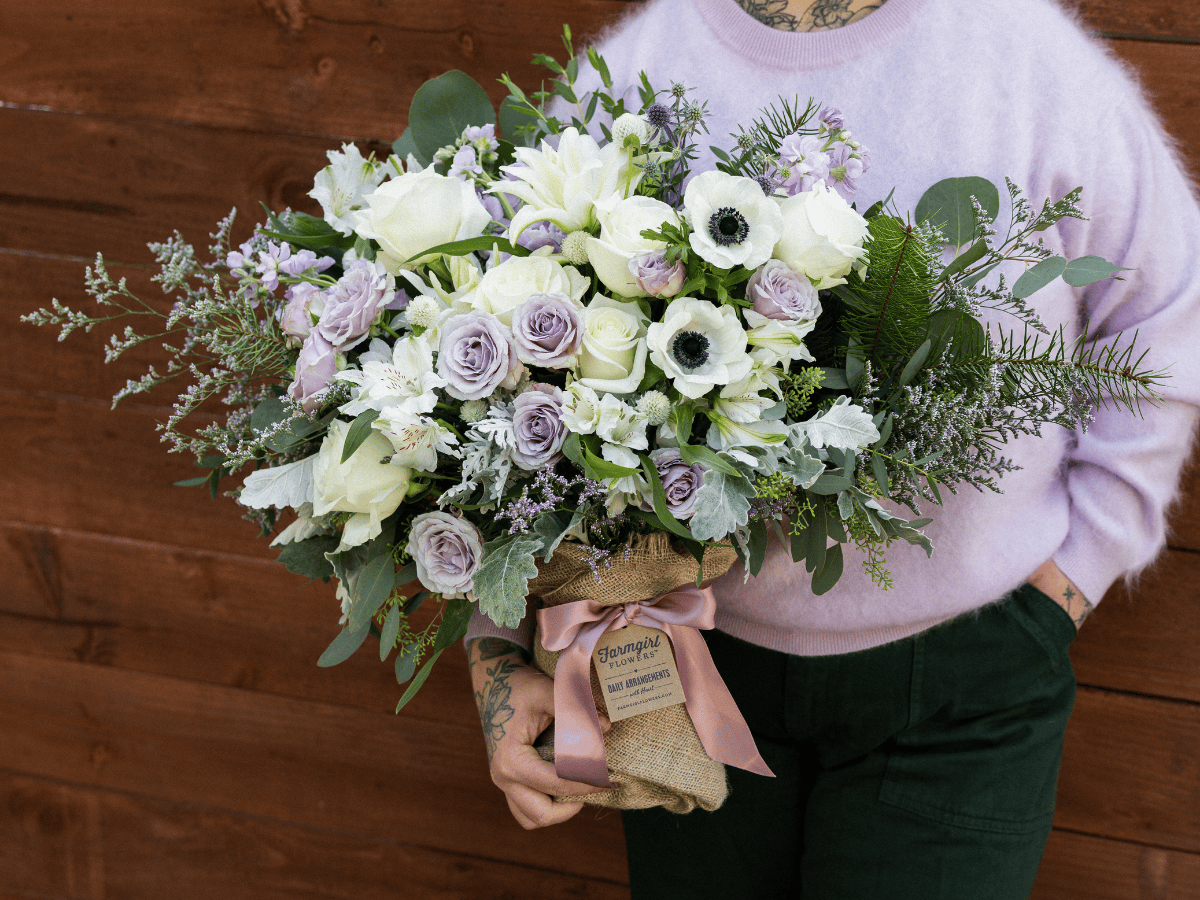
What Flowers Are in Season Right Now?
The easiest way to determine what flowers are in season now is to begin with the time of year:
- March through May: Look for tulips, ranunculus, anemones, daffodils, flowering branches, lilacs, and peonies.
- June through August: Look for garden roses, hydrangeas, delphinium, sunflowers, snapdragons, astilbe, cosmos, zinnias, and the beginning of dahlia season.
- September through November: Look for dahlias, chrysanthemums, asters, celosia, amaranthus, berries, grasses, and autumn foliages and SO many textural bits like millet, scabiosa pods, broomcorn, and coneflower.
- December through February: Look for amaryllis, hellebores, paperwhites, anemones, early ranunculus, evergreens, berries, and branches.
Then remember that your local climate may move that window forward or backward.
A tulip blooming in Washington in April may have already finished in California. A dahlia crop may be taken out by frost in one state while continuing well into November in another.
Why Choose Flowers That Are in Season?
Seasonal flowers are often more abundant, more interesting, and better suited to the moment you’re actually in. Kind of like how eating a tomato or peach in the summer is so much better than in other months? Turns out it’s the same for flowers.
They also help create a sense of time and place. Tulips feel like spring because we’ve waited through winter for them. Dahlias feel like late summer because they arrive when the garden is at its fullest. Peonies are thrilling partly because they refuse to stick around for very long.
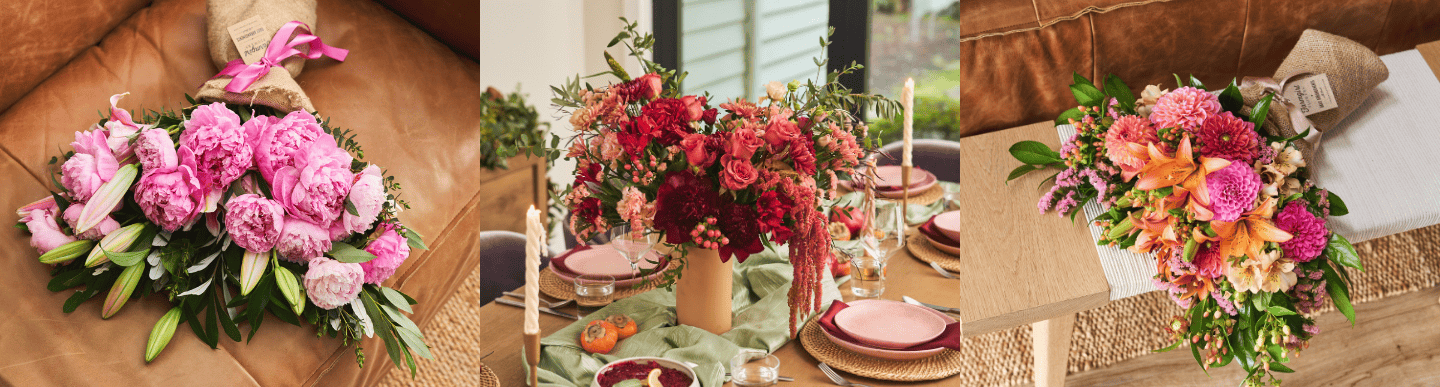
I don’t think seasonality needs to be treated as a rigid rule. You don’t need to pass up a flower you love simply because it was grown in a greenhouse or shipped from another growing region.
But paying attention to the seasons makes flowers more meaningful. It teaches you to notice what is happening now instead of expecting everything to be available all the time. And, to me, that anticipation is one of the very best parts of working with flowers.
Seasonal Flower FAQs
What month has the most flowers in bloom?
May through July generally offers the widest variety of flowers, although the exact peak depends on the region. Late summer is also especially abundant as dahlias, zinnias, cosmos, and other heat-loving flowers begin producing heavily.
What flowers bloom first in spring?
Early spring flowers include hellebores, daffodils, hyacinths, anemones, and early tulips. Flowering branches may also begin blooming before many garden plants have leafed out.
What is the best season for peonies?
Peonies are usually at their best in May and early June. Their season may begin in April in warmer regions or continue later into June in cooler climates.
What is the best season for dahlias?
Dahlias are at their most abundant from August through early fall. They continue blooming until the first hard frost, so the longer the warm days stretch, the better for Dahlias!
What flowers are available year-round?
Roses, lilies, carnations, chrysanthemums, delphinium, gerbera daisies, alstroemeria, and several types of greenery are commonly available year-round through commercial growing and global sourcing. Their specific varieties, quality, and abundance can still change with the seasons.
Do seasonal flower arrangements always look the same?
They shouldn’t. Flower crops change with the weather, growing region, and week of the season. We see that variation as a benefit rather than a flaw. It means an arrangement feels connected to the moment it was made instead of looking as though it came off an assembly line. For instance, specialty garden roses that are typically peach look pinker during colder months.
Let the Season Do Some of the Designing
After more than 15 years of working with flowers, I still find myself waiting impatiently for certain crops to return.
I wait for the first tulips in spring. I watch thousands of peony plants and wonder exactly when they’ll open. When Dahlia season starts it brings me so much joy. Then frost arrives, the garden goes quiet except for the hellebore which takes its turn on center state, and the whole cycle starts over again.
That rhythm is one of the reasons I love flowers so much. They remind us that not everything has to be available every day of the year. Some things truly are worth waiting for.