


Birth Flowers by Month
Jul 28, 2026
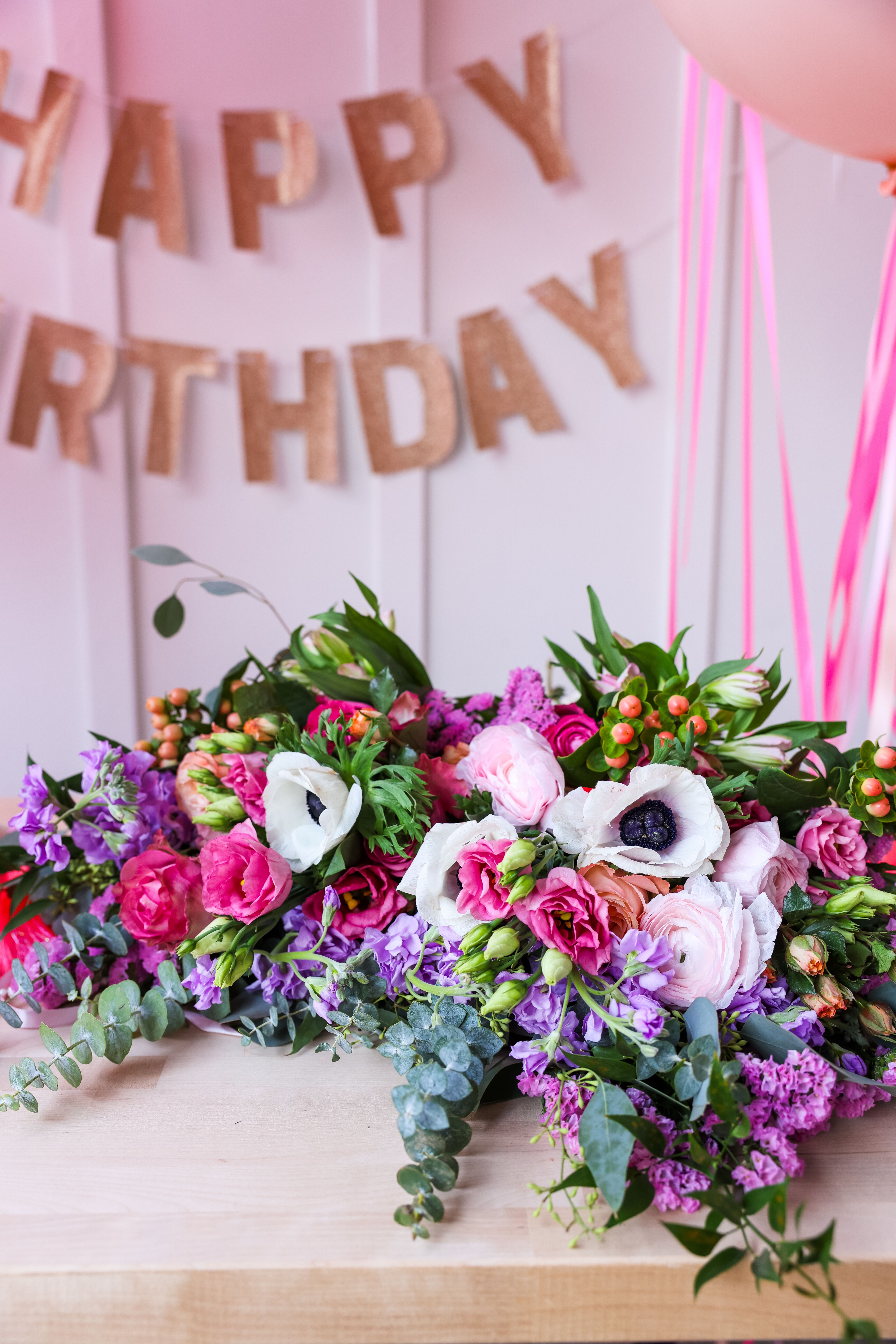
First things first: what on earth is a birth flower?
A birth flower is the flower traditionally tied to the month you were born, like a birthstone but botanical. Most months have two: a primary flower and a secondary one.
The whole idea runs from ancient Rome through the Victorian language of flowers, where each flower carried its own quiet meaning.
Okay, that's the dictionary version. Here's the real one. A few centuries ago, before anyone could send a text or, heaven forbid, say how they felt out loud, people said it with flowers instead. Every flower meant something. A whole conversation could happen inside a single bouquet, and nobody had to blush about it. The Victorians were, frankly, iffy about feelings and geniuses about flowers.
So, which one is yours?
Here's every month, its flowers, and what they've traditionally meant.
Fair warning: sources squabble over the second flower the way families squabble over whose recipe is the real one, so treat the secondary pick as a beloved alternate, not a rule. And no, these aren't your zodiac flowers! Those follow the star signs, which stubbornly refuse to line up with the calendar. Think of it as getting two symbolic flowers instead of one.
- January — Carnation (secondary: Snowdrop). Traditionally symbolizes love, devotion, and a little fascination.
- February — Violet (secondary: Primrose). Loyalty, faithfulness, "I'll always be there."
- March — Daffodil (secondary: Jonquil). New beginnings and stubborn optimism.
- April — Daisy (secondary: Sweet pea). Innocence, cheer, and loyal love.
- May — Lily of the valley (secondary: Hawthorn). Sweetness and a return to happiness.
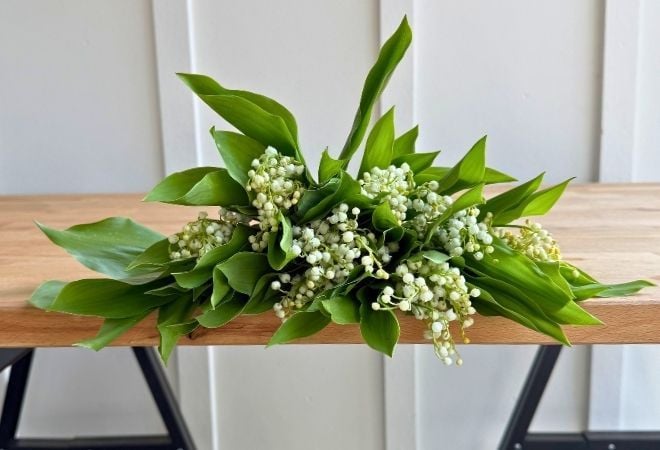
Author's note: In some upside-down world where you pick your birth month by its flower, we'd be May babies in a heartbeat — Lily of the Valley (pictured above) is worth rigging the calendar for.
- June — Rose (secondary: Honeysuckle). Love — in every color's dialect.
- July — Larkspur (secondary: Water lily). An open heart and lightness.
- August — Gladiolus (secondary: Poppy). Strength of character (the name means "little sword").
- September — Aster (secondary: Morning glory). Wisdom, patience, and affection.
- October — Marigold (secondary: Cosmos). Warmth and fierce, sunny devotion.
- November — Chrysanthemum (no traditional secondary). Friendship and honest loyalty.
- December — Narcissus/paperwhite (secondary: Holly). Hope, and "you're the only one.
Where this comes from: our list follows the traditional assignments compiled by The Old Farmer's Almanac and Farmers' Almanac, both rooted in the Victorian "language of flowers." When the two disagree on a secondary flower, we went with the pick most florists actually reach for.
The part where we come in
More than 30% of the orders we see are for birthdays, so we know a thing or two about how to celebrate and about what people like to send. That, it turns out, isn't always the same as what people like to receive. But trust us: we've done our homework.
And here's the thing we'll say out loud that most flower companies won't: the birth flower matters less than the person getting it.
If you know someone well — if you know she loves ranunculus, or that (like Kat, our Head of Ops) she'll take anything at all as long as it's yellow, or that she's had the same peonies-only rule since college — send that. Knowing someone's actual taste and trying tt honor it is the whole ballgame. It's the difference between "I got you flowers" and "I got you your flowers," and people feel that difference in their bones. We'd know: more than 90% of our orders are one woman sending flowers to another, and as a primarily female run company, we are the customer, and we create products we'd like to receive ourselves.
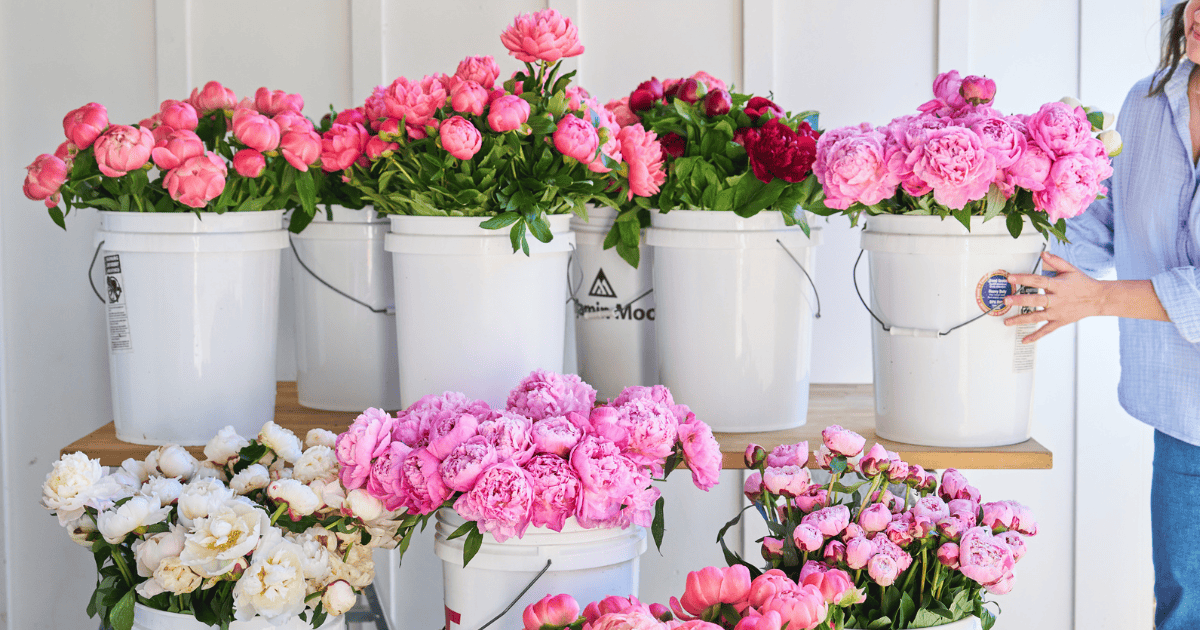
But sometimes you just don't have that intel. You know them, you love them, but truth of the matter is the two of you just don't spend much time talking about flowers (a situation we'd highly recommend correcting, by the way ;) ). That's exactly where a birth flower earns its keep. Don't overthink the botany; think about who they are, and let their birth flower stand in for the rest. It isn't a shrug or a guess — it's a small, specific, thoughtful thing tied directly to them. It says "I was thinking about you," which is the entire point of sending flowers in the first place.
And look, is a random, no-particular-reason bouquet still a genuinely joyful thing to land on someone's doorstep? Of course it is. We would never make anyone feel bad about a spontaneous armful of flowers. We just think that when you can make it about the person, you should. A birth flower is the easiest way to do that when you don't know where else to start.
Now, a small confession: not every birth flower belongs in a box
Some birth flowers make gorgeous bouquets. Some are much happier left in the ground, and we'd rather tell you that than ship you a sad one.
The sendable crew: roses(June), daisies(April), lily of the valley (May), carnations (January), asters (September), and chrysanthemums (November). Most of these, except our already acclaimed Lily of the Valley, are available pretty much year-round. But then you have the stay-in-the-garden crowd: snowdrops, hawthorn, and morning glory.
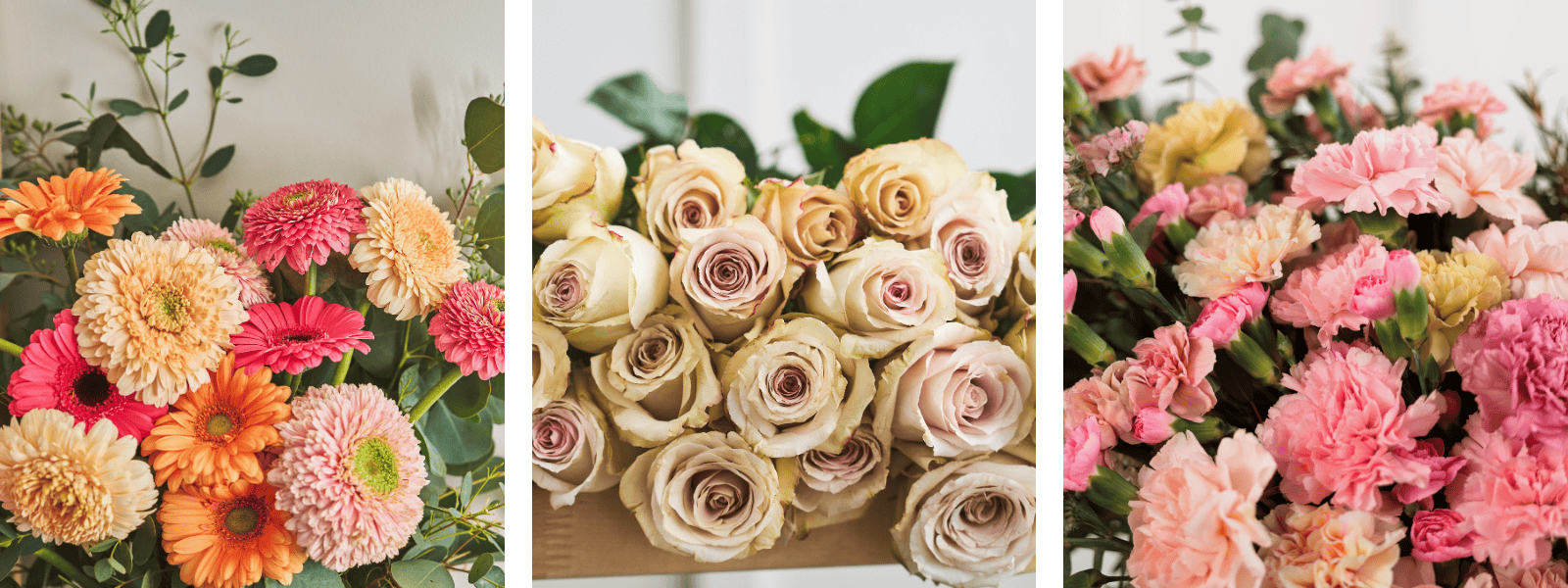
And even the good ones have opinions. Take April's daisy. Nearly all of ours are grown in California, but their heads are heavy and their stems are thin, which makes them genuinely hard to design with — the kind of flower that humbles our design team every time we have a product development session.
So here's the honest play, from the people who see thousands of orders every week: when someone's birth flower won't travel, send a hand-designed bouquet in the same spirit — same mood, same colors, minus the wilted-in-transit heartbreak. Our peonies (when in season!), ranunculus, and sunflowers are built for the trip and show up looking like the photo, hand-designed and wrapped in our signature burlap. Prefer the classics? June's rose and the lily family never go out of style and they grow year round.
The best-kept secret in all of this: you don't need a birthday to send someone their flower. It just gives you a good excuse.
One more thing, because you're going to wonder
Birth flower tattoos are everywhere now, usually someone's own month, or a little stacked bouquet of their kids' flowers inked together, which we'll admit is a genuinely beautiful idea. Your whole family in one design, forever. We're partial to the version that arrives in a box and doesn't involve a numbing station, but the commitment? Deeply respected.
At the end of the day, a birth flower is just the Victorians' old trick in modern hands: telling someone you love them in a language they'll understand without you having to spell it out. Send the flower she loves if you know it. Send her birth flower if you don't. Either way the message is the same: "I was thinking about you". That's the part that never wilts (see what we did there?).
Birth Month Flower FAQs
What is my birth flower?
Your birth flower is the flower traditionally assigned to your birth month. January is the carnation, February the violet, March the daffodil, April the daisy, May lily of the valley, June the rose, July larkspur, August gladiolus, September the aster, October the marigold, November the chrysanthemum, and December the narcissus. Most months also have a secondary flower.
Does every month have two birth flowers?
Most months have two: a primary flower and a secondary alternate because different regions and eras favored different flowers and seasonal availability varied. A few months, like November, are usually associated with just one. When in doubt, go with the primary flower (but most importantly, the one that's available to you!).
Can I send my birth flower as a bouquet?
Some birth flowers, like roses, daisies, carnations, and asters, arrange and ship beautifully. Others, like snowdrops, hawthorn, and lily of the valley, are best enjoyed in a garden and are very hard to send as cut flowers. When a birth flower won't travel well, a hand-designed bouquet in the same colors and spirit is the way to go.
Are birth flowers the same as zodiac flowers?
Nope! Birth flowers are tied to calendar months, while zodiac flowers follow astrological signs that each span parts of two months. They come from different traditions, so your birth flower and your zodiac flower usually aren't the same flower.