


From Startup to Something More Real
Jun 20, 2026
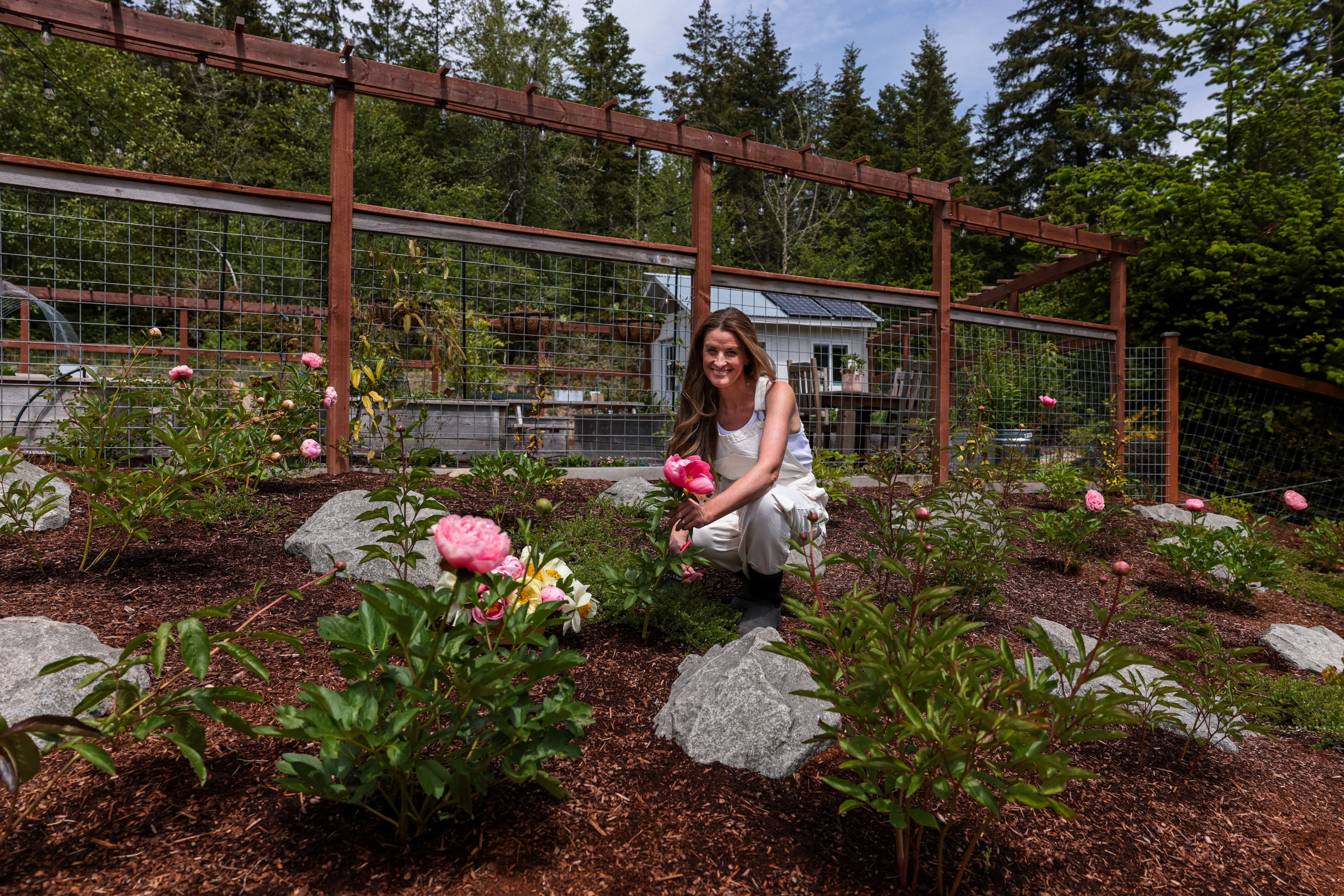
If you’ve been around here for a while, you’ve probably felt a bit of a shift. It’s not something loud or flashy, but it’s been happening slowly and very intentionally behind the scenes.
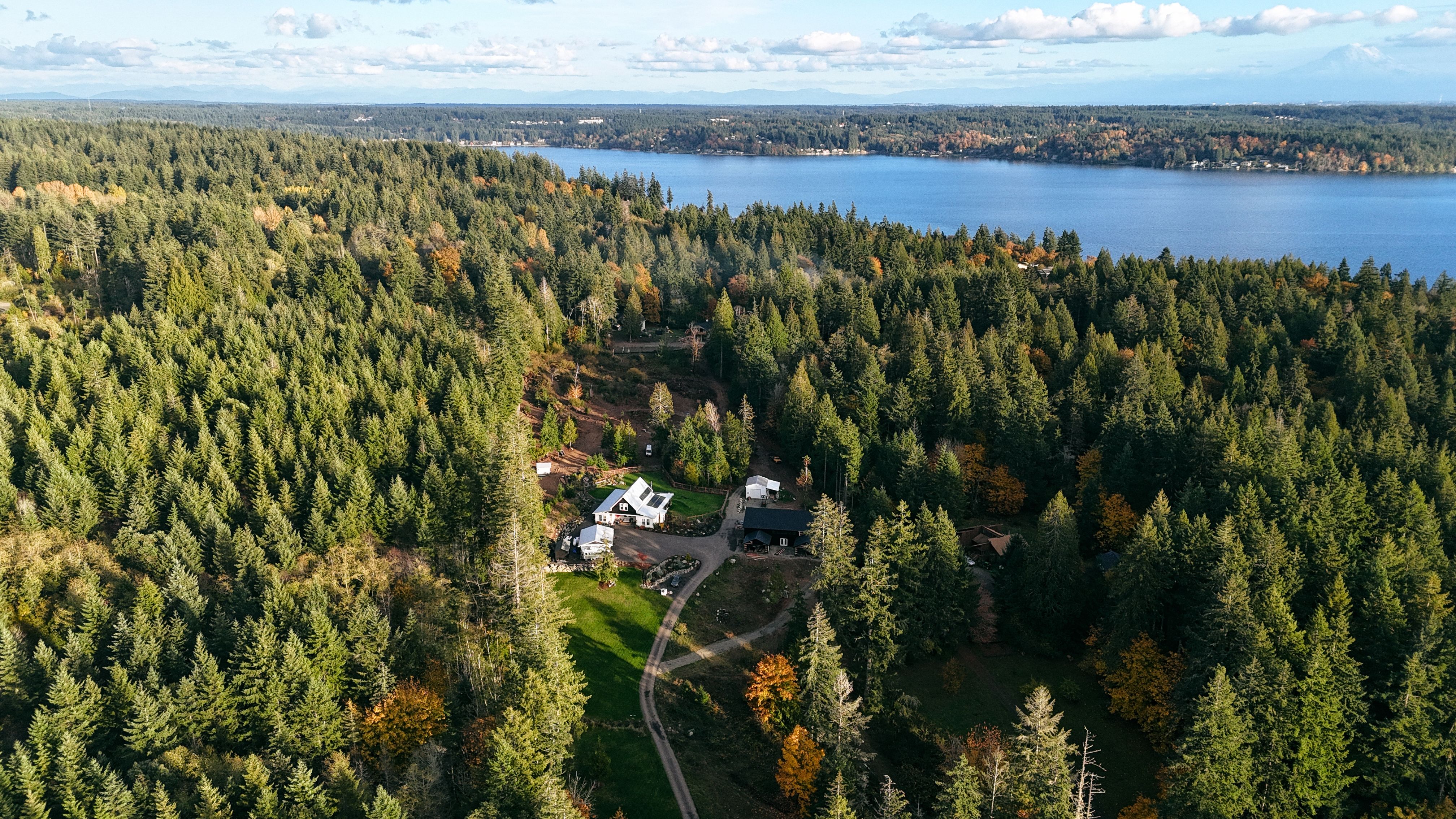
We moved to Washington. We bought some land in Gig Harbor. And we’re starting a small flower farm.
I’m really excited to start sharing more of that with you. Not all of it will live here—I’ll save some of the more detailed business pieces for Substack for those of you who like to go deeper—but you’ll start to see more of it woven into what we’re doing. Because this isn’t just a side project or a “fun little thing on the side.” It’s part of a bigger shift in how I think about Farmgirl Flowers and what we’re actually building.
For a long time, Farmgirl sat in that “startup” category. Silicon Valley-adjacent, even though we were never really playing that game the same way. There’s a lot of pressure in that world to grow as fast as possible, to chase scale, to optimize for what looks impressive on paper (and in pitch decks that may or may not reflect reality). And somewhere along the way, I realized that’s not actually what I want to build.
I want to build a real company.
One that lasts. One that actually makes money so it’s value isn’t an arbitrary “valuation”. One that does things the right way, even when that way is slower, harder, and not nearly as sexy. We’re not chasing growth at all costs—we’re building something that can actually stand on its own and still be here years from now.
Recently, one of our competitors referred to us as a “family company,” and it really irritated me, probably more than it should have (because really, does it even matter?). Not because I have anything against family—I actually just got married and now have two step sons that I love a ton—but because of what they meant by it. It wasn’t about values or closeness. It was meant to imply that this was something inherited, something handed down, or not earned the hard way like somehow their very funded company has.
And that’s just not our story.
I started Farmgirl Flowers with $49K. No roadmap, no safety net, no pedigree (or even college degree), no generational anything waiting in the wings. Just a lot of grit, a lot of mistakes, and a refusal to quit when it would have been SO much easier to quit. We’ve built a profitable flower company from that, and I’m really proud of it. It took longer. It was WAY harder. There were a lot of moments it could have gone the other way (and a few where it probably should have, if I’m being honest).
So when that gets minimized, yeah—it’s frustrating. But it also feels like one of those things that says a lot more about them than it does about us.
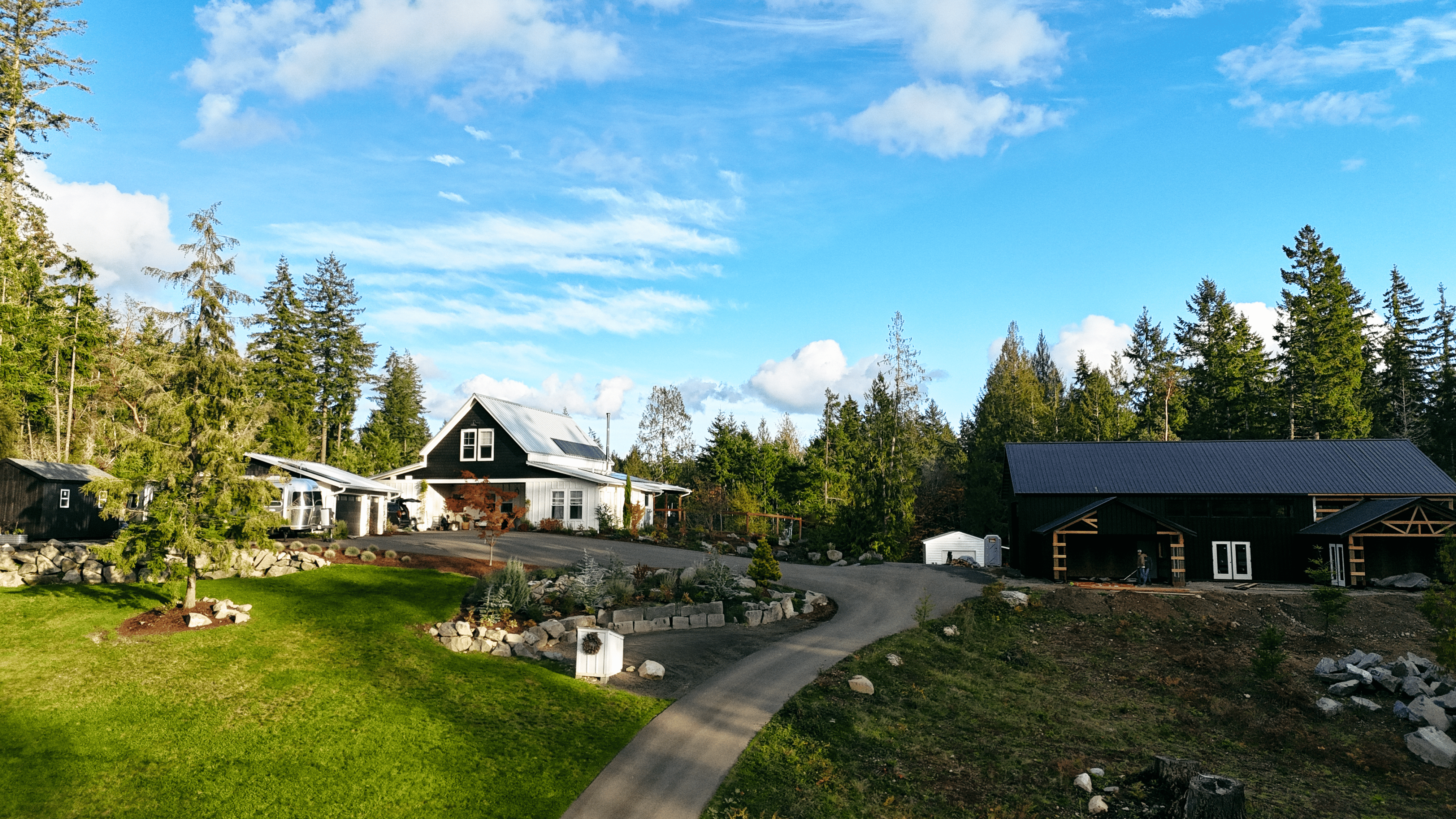
The farm is part of this next chapter, but probably not in the way people assume. The goal isn’t to make money from it (and if you know anything about farming, you definitely understand that!). I’ve always wanted a physical manifestation of who we are—something real that you can walk through, touch, and get dirt under your nails from instead of just seeing it on a website.
There’s also a huge amount to learn from actually growing the flowers we sell. Even if it will only ever be a small percentage of our overall production, it creates a level of respect for the entire supply chain that you just can’t get any other way. It’s hard, unpredictable, always humbling in a “you thought you had control here?” kind of way, and it forces you to understand the work at a completely different level. I believe it makes me a better leader and makes Farmgirl a better company.
Something else that’s shifted for me over the last few years is how I think about not raising venture capital. If you’ve been with us a while, you probably know that I used to have a pretty big chip on my shoulder about it. (Okay, not subtle. I talked about it a lot.) But now I see it as one of the biggest gifts we’ve been given.
If we had taken funding, our job would be simple: grow as fast as possible and return as much money as possible as quickly as possible. That becomes the whole focus, whether people say it out loud or not. And almost every founder I know who’s gone that route eventually says the same thing—usually a little quieter than they used to—that they hope they can build their next company bootstrapped.
It took me a while to really hear that, but I get it now.
We wouldn’t have bought this farm if we were funded. We wouldn’t be growing flowers and so much eucalyptus here (Gunnii Hill, named after the variety we’re planting). We wouldn’t have planted almost 40,000 peonies in Oregon and be patiently waiting the three years it takes to get our first real harvest (which, as someone who likes things to happen quickly, has been a real exercise in personal growth).
We wouldn’t have the freedom to make decisions that are better for the long haul instead of the next earnings report presented at the next board meeting.
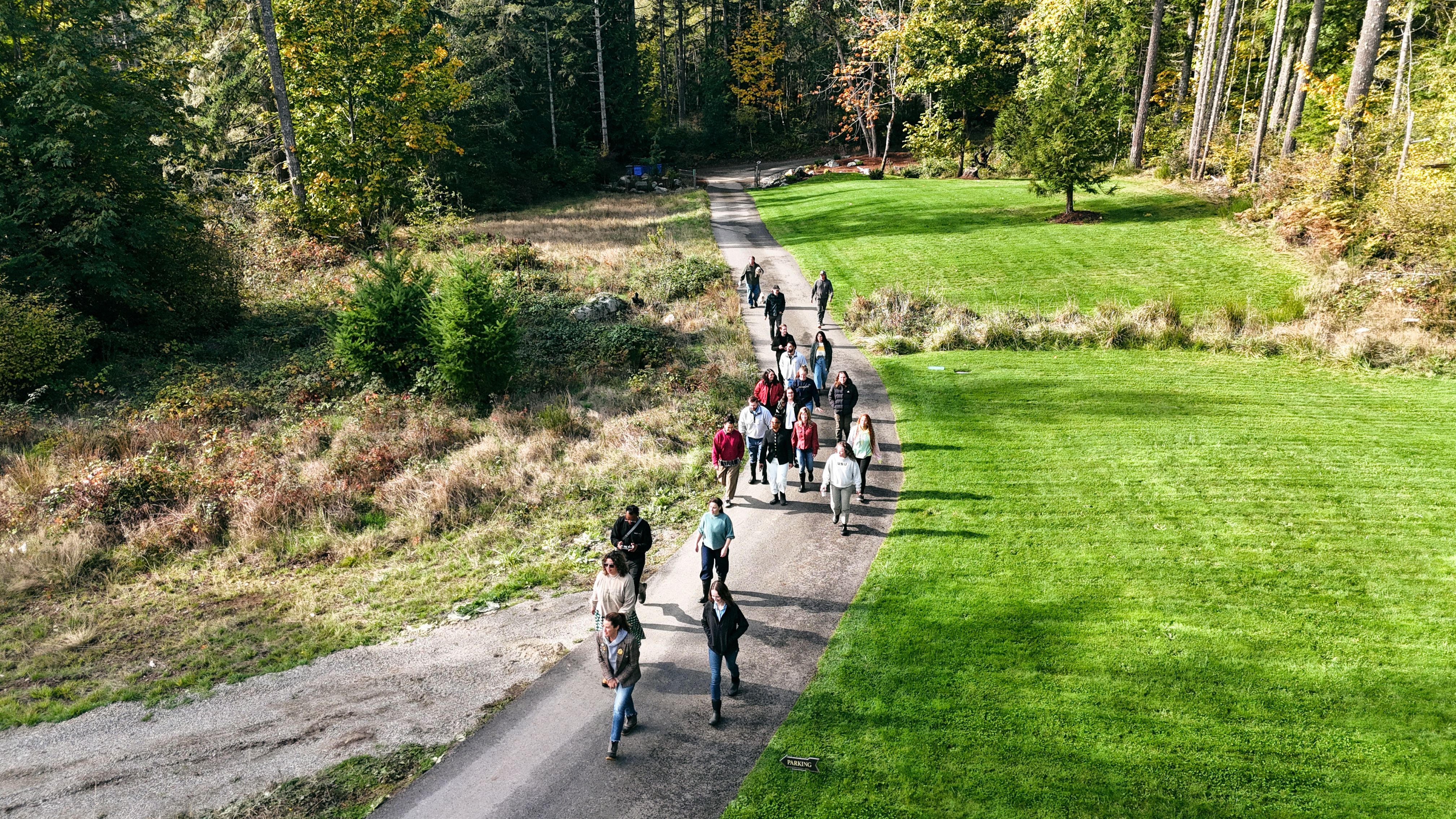
So this is where we are now. Still working really hard. Still figuring things out as we go. Still choosing the harder, longer path more often than not. But building something real, something rooted, and something that actually reflects who we are—not who we’re supposed to be.
And now, finally, something we’re ready to start sharing more of with you. If you’ve been part of this—whether from the beginning or somewhere along the way—thank you. Truly. We don’t take it for granted.
More soon.